Manvinder Kaur reflects on growing up around alcohol in the Punjabi-Sikh community. She explores how generational trauma, norms, and mental health intersect with addiction, and describes her journey to approach alcohol use with compassion, support and understanding.
Inspired by Divpreet Kaur’s new podcast, Gurmat Colored Glasses, Lakhpreet Kaur explores the question, “What is a Sikh's response to the coronavirus pandemic?” from a Gurbani, history, and rehat angle.
Kaur Life shares an excerpt about holistic from the panel on 'Holistic Wellness from a Gurmat Perspective', which took place at the Kaur Life Virtual Retreat in August 2020.
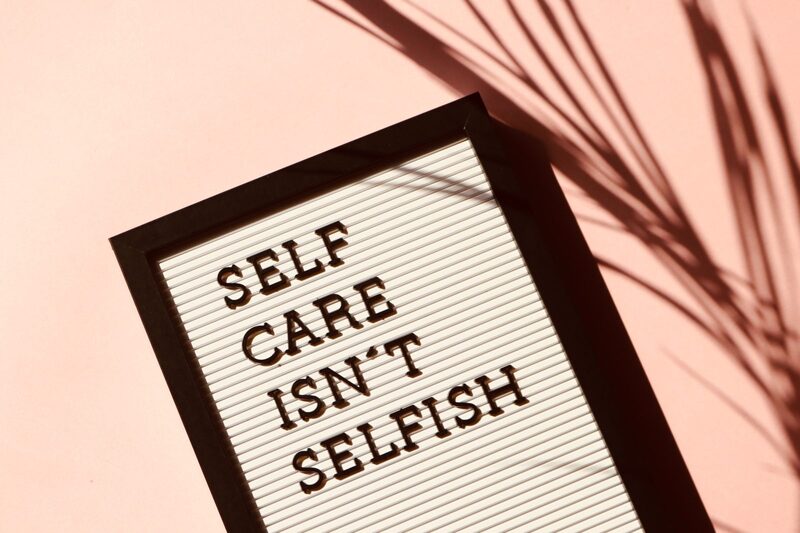
Lakhpreet Kaur discusses what “self-care” means to her, as a Sikh woman. She explores how women with different identities re-define self-care in a way that is culturally specific to their realities and accessible to a wider range of people.
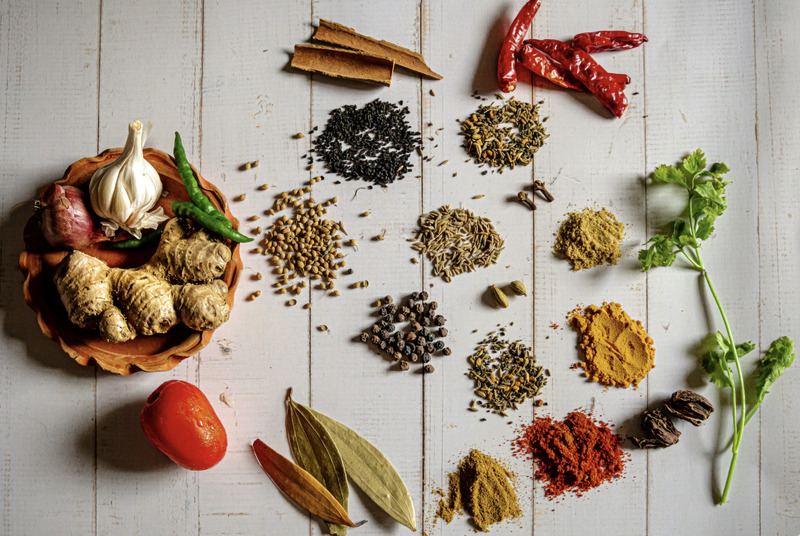
Ruppa Kaur and Pawan Kaur explore how Punjabi food connects culture, farming, gender roles, and Sikhi. They also examine how traditional expectations around cooking and labor are being challenged through changing social attitudes and the farmers protest in Delhi, India.
Amrita Kaur Bhasin writes about a situation where hurtful remarks were made to her family about their Sikh identity. She writes about her process to channel her reaction into something meaningful and encourages Sikhs to respond with compassion and kindness.
Jaspreet Kaur discusses how feminine product brands use messages of empowerment and feminism in their advertising. She examines their marketing strategies and comments that genuine equality comes from a fundamentally different approach to than one driven by marketing and capitalism.
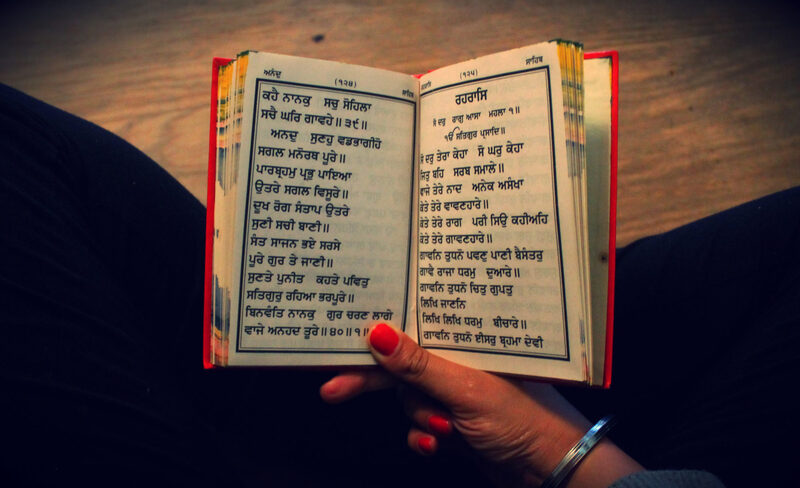
Kaur Life shares several Gurbani lines that can bring readers peace and encourage readers to explore the full shabads. Kaur Life also notes the limitations of many Gurbani translations, and encourages readers to visit the actual Bani to understand its meaning.
Lakhpreet Kaur reflects on the toll of constant self-sacrifice on Sikh women and challenges the belief that suffering is virtuous. She advocates for self-care as a necessary and empowering practice to sustain individuals, families, and the broader community.
Given the increase in hate crimes in the United States, Harbani Kaur writes a letter to her fellow humans to encourage them to recognize the divinity within all.
In this article, Dr. Ruby Kaur Bajaj discusses her cancer diagnosis and shares her rollercoaster of emotions, how Sikhi helped her, and how she now feels that having cancer is a blessing.