A compilation of several sources about the reasons Sikhs keep their Kesh, or uncut, long hair. Lakhpreet Kaur summarizes some of the different reasons that people give for why Sikhs keep kesh, in effort to help others find a reason that resonates with them.
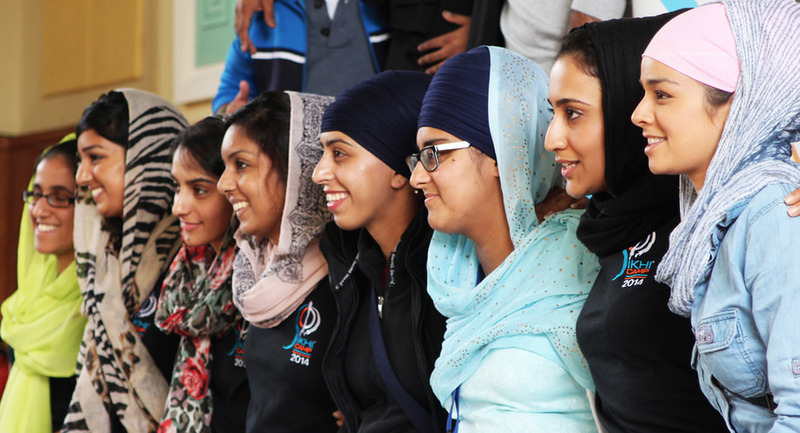
An essay exploring the question, “What is the Kaur physical identity?”. Lakhpreet Kaur reflects on the lack of a unified physical identity for Sikh women, contrasting it with the clear visual identity of Singhs. Through discussion of identity politics, personal experiences, and psychological models of identity formation, she examines the challenges Kaurs face in representing themselves within the Panth and to the wider world, and raises questions about whether a consistent, collective physical identity is necessary.
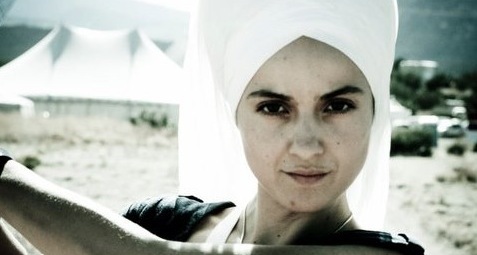
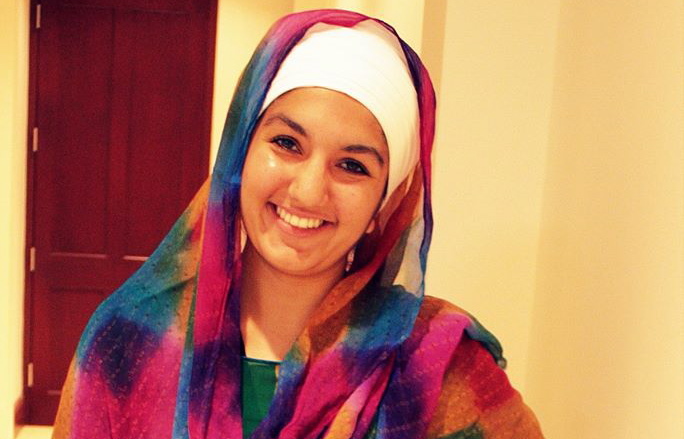
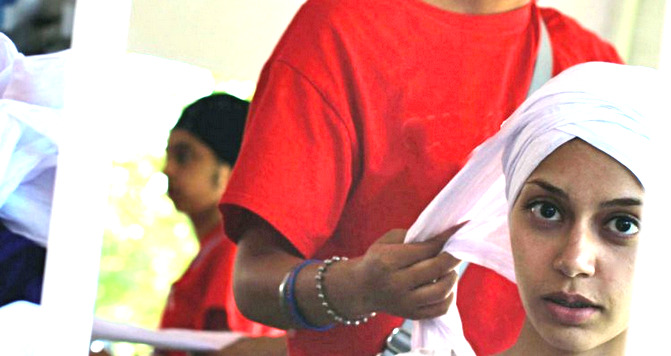
In this poem, Jasmin Kaur responds to a woman who asked her why she ties a dastar. She connects her daily act of tying her dastar to Sikh history and its legacy of resistance. She describes her dastar as a crown and a commitment to uphold freedom and sovereignty.
Harleen Kaur reflects on the belief that the visible Sikh identity is only for men. Kaur challenges this belief and calls the Sikh Panth to encourage Kaurs' participation in donning the Sikh identity.
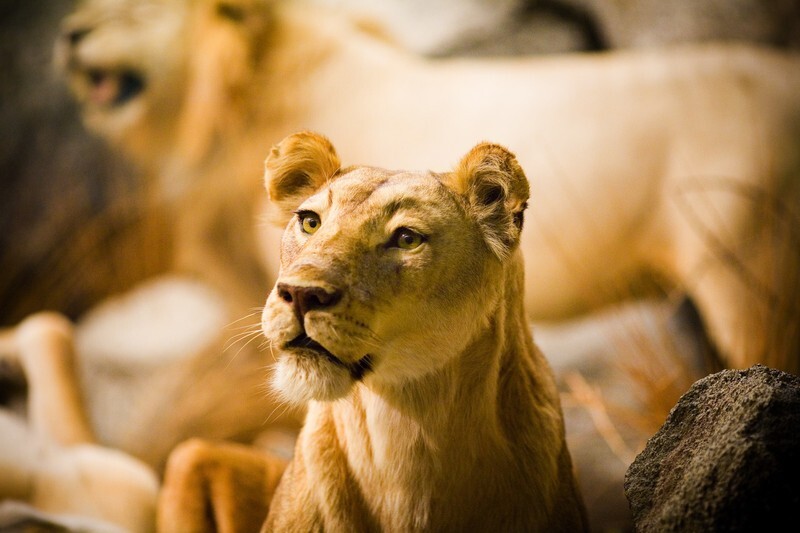
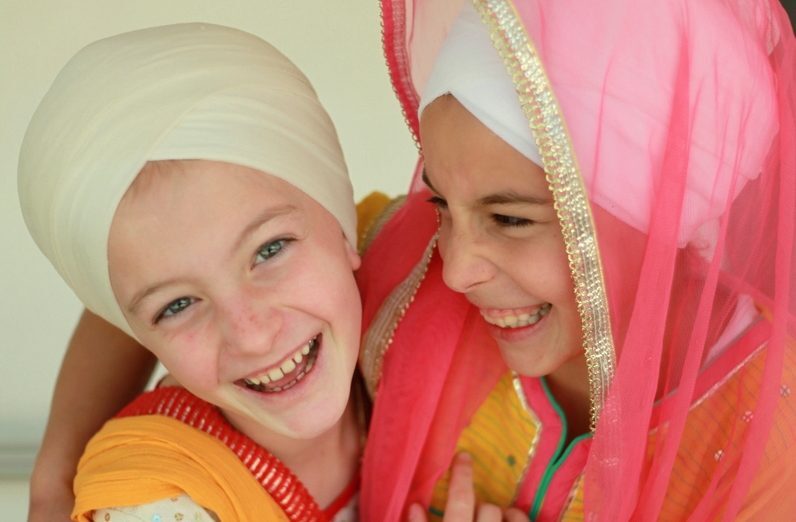
In this poem, Harbani (Bani) Kaur Ahuja writes about the meaning of her Kesh through the memories of her childhood and her mother. She compares her Kesh to a lioness' mane, which symbolizes her pride in her identity.
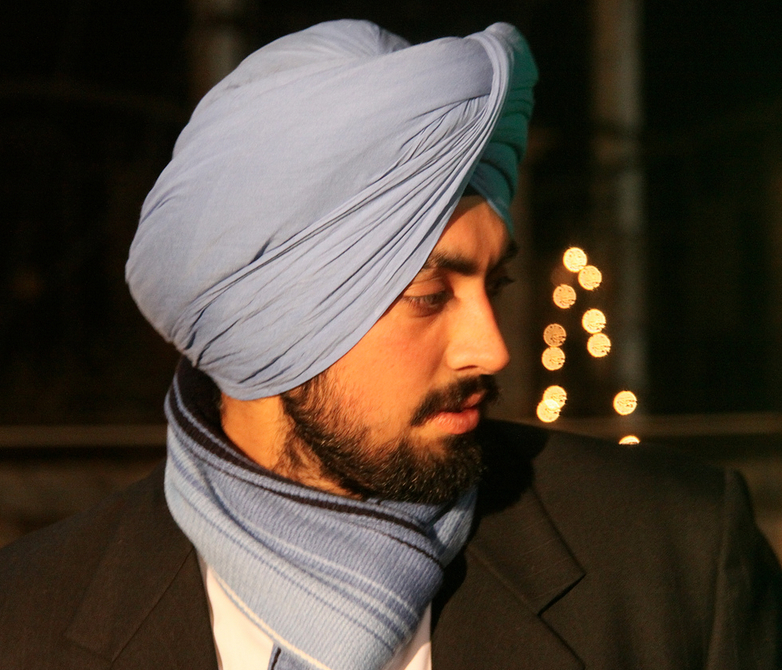
In this article, Lakhpreet Kaur discusses how mainstream American and Punjabi cultural expectations of masculinity can limit Sikh men. She examines how discouraging “feminine” qualities such as compassion, sensitivity, and nurturing can prevent Singhs from fully embodying Sikh values. Kaur argues that traits like strength, love, courage, and kindness are not gendered, but are Sikh ideals that both Singhs and Kaurs should strive to embrace.
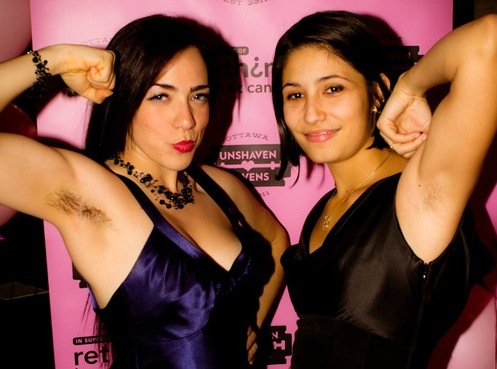
In part 7 of the shaving series, Lakhpreet Kaur offers her final words on shaving. She emphasizes that her intention is not to judge one's choice to shave or not shave, but to provide an alternate viewpoint for Kaurs in a society that promotes shaving and hairlessness.
In part 6 of the shaving series, Lakhpreet Kaur discusses Sandra Bartky's book, Femininity and Domination, to explain how shaving can perpetuate objectification.
In part 4 of the shaving series, Lakhpreet Kaur discusses how shaving can be antithetical to many of Sikhi's teachings. Kaur also explains some of the reasons that Sikhi discourages shaving, and how keeping one's Kesh can help them become detached from the material world.
In part 2 of the shaving series, Lakhpreet Kaur discusses some of the reasons why women may choose to shave. This article also includes quotes from Sikh girls that explain why they choose to shave.
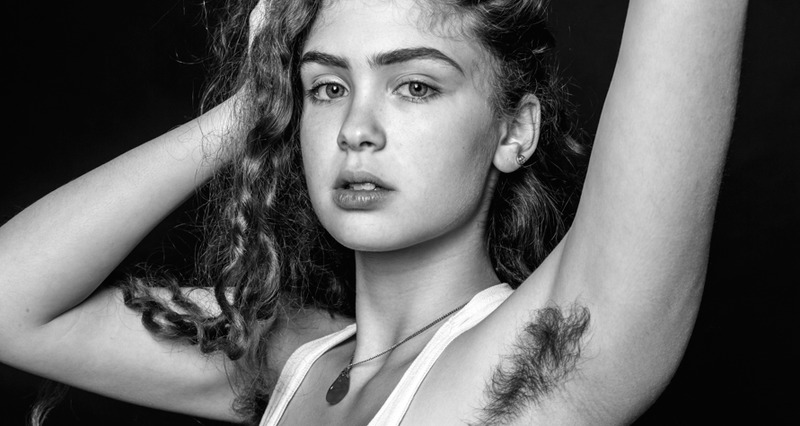
Part 1 of the shaving series begins with a discussion of the history of how and why being hairless became a beauty trend for women. In the first article in a series of articles, Lakhpreet Kaur discusses the influence that media and advertisers had in the emergence of this beauty trend and reflects on her experience navigating the tension between her Sikh identity and western beauty trends.
Ravjot Kaur explores the issue of colorism in the Sikh and South Asian community, examining its roots in caste and colonial history and its harmful impact on self-worth and health. She encourages readers to embrace Gurbani’s teachings on inner beauty and self-acceptance.
In this short film, Kiran "KayRay" Kaur reflects on her personal journey of identity and reconnecting with Sikhi, including her decision to grow her Kes again and embrace her natural self. The film highlights women who keep their Kes and wear dastaars, challenging beauty standards and stereotypes while celebrating their Sikh identity.