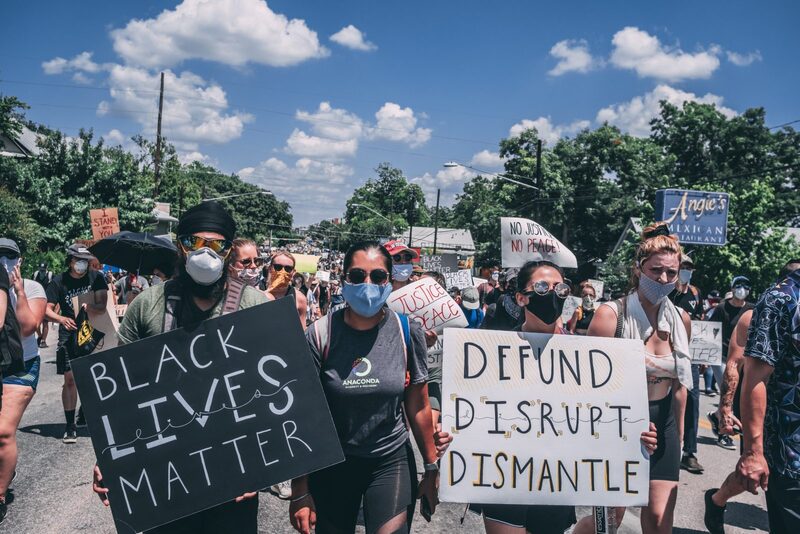
This article discusses the question, "Why Should Kaurs Support Black Lives Matter?". This article is part of Kaur Life’s Black Lives Matter series created by Kaur Life board members and project advisors.
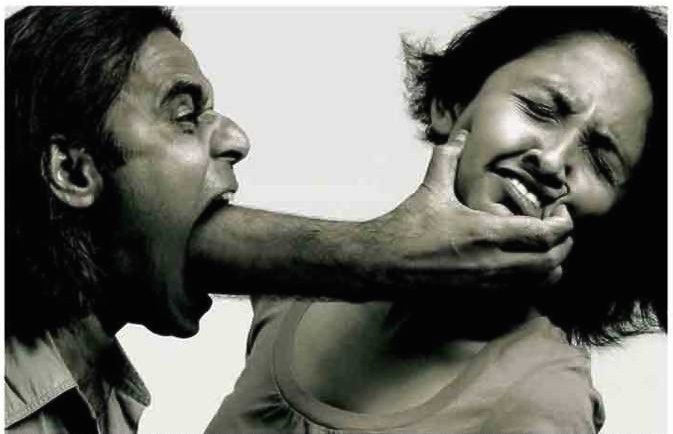
Santbir Singh calls attention to the often silenced reality of abuse within the Sikh community. He urges the Sikh Panth to confront this issue, hold perpetrators accountable, and uphold justice.
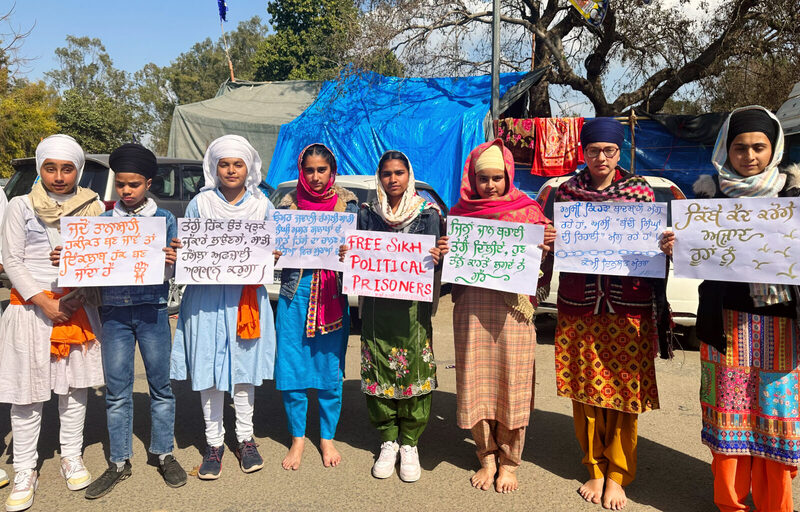
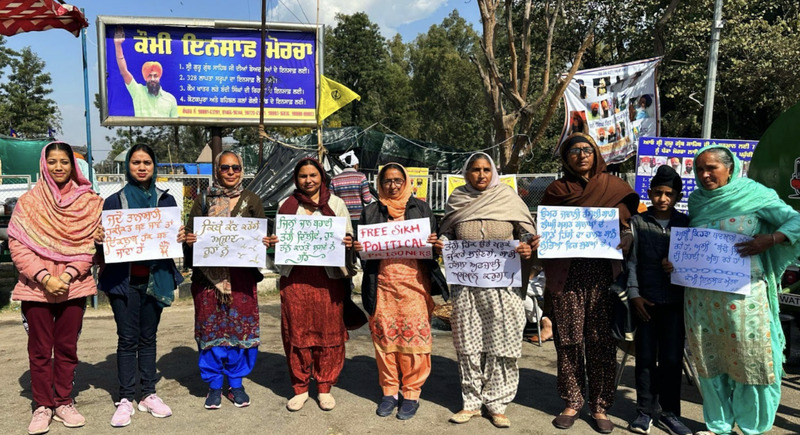
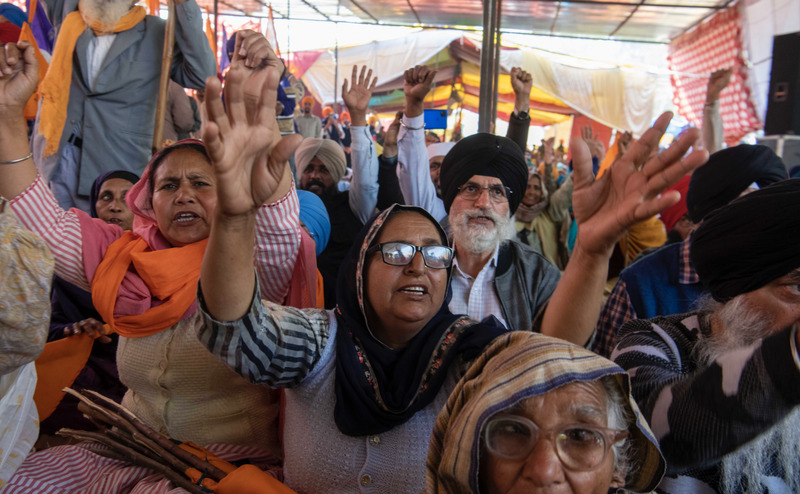
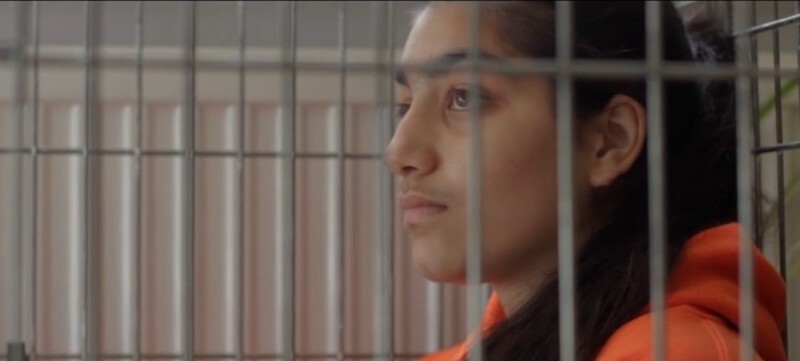
Rohit Lohia explores the Qaumi Insaaf Morcha protest which is demanding the release of Sikh political prisoners and highlights how Sikh women participating in the protest draw strength from Sikhi.
In prabhdeep singh kehal's search to understand how Sikhi guides Sikhs on valuing the body and mind and how Sikhi guides transgender and queer Sikhs to understand the meaning and purpose of the body and mind, they came across another conversation: many Sikhs’ strictly material obsession with the body’s outward appearance. prabhdeep discusses this conversation further.
Sartaj Singh Dhami reflects on an experience where his wife was not allowed to enter a space at Fatehgarh Sahib. Dhami examines the paradox between Sikh principles and real life practices and calls for others to reflect on this as well.
In part 3 of the micro-agressions series, Lakhpreet Kaur share an example of how to address a micro-agression, suggests skills that can help one cope with micro-aggressions, and proposes ways that a reciever of micro-agressions can create a more positive environment for themselves.
In part 2 of the micro-agressions series, Lakhpreet Kaur writes about the micro-agressor, the micro-agressor's characteristics and intentions, how micro-agressions can show up in different stages of life, and how micro-aggressions impact the victim or the “receiver.”
In part 1 of the micro-agressions series, Lakhpreet Kaur defines micro-agressions and provides examples of different types of micro-agressions. Kaur also explains her motivation behind writing this article, and why the Sikh community should be aware of micro-agressions.
Chardi Kala Kaur shares a narrative about experiencing domestic violence in her marriage. She writes to heal, to bring awareness to a typically silenced topic, and to inspire others who are in negative relationships to seek help and stand up for themselves.
Sukhmani Kaur Kocher reflects on her childhood, the abuse her father inflicted on her family, how Sikhi was her rock, and how she was able to move forward and heal. This article is part 1 of her story.
Jaspreet Kaur shares how spaces like her home and Toronto Sikh Retreat helped her reframe traditional gender roles and gave her security in belonging in any space without adhering to prescribed gender roles.
Bani Kaur examines the exclusion of women from seva at Harmandir Sahib, and questions practices that contradict Sikhi’s principle of equality. She calls for a return to Guru Nanak’s teachings and urges Sikhs to challenge gender-based restrictions and support female participation in Seva.
Dhaya Kaur reflects on how her understanding of domestic abuse has evolved. She calls the Sikh community to have greater awareness, open discussions, and take action.
In this 3 part series, manu kaur and manmit singh chahal examine whether Sikh spaces and communities are living up to the Gurus’ vision of equality, liberation, and spiritual growth for all people. They explore how issues such as casteism, queerphobia, and transphobia continue to shape Sikh spaces and challenge readers to imagine more inclusive futures. This is part 3.
Simona Singh shares poems depicting a hypothetical conversation between a father and his daughter, before her birth. It reflects the anticipation, excitement, love, and fear of a father at the prospect of meeting his daughter for the first time.
This article discusses how Sikhs can become Anti-Racist & Support BLM. This article is part of Kaur Life’s Black Lives Matter series created by Kaur Life board members and project advisors.