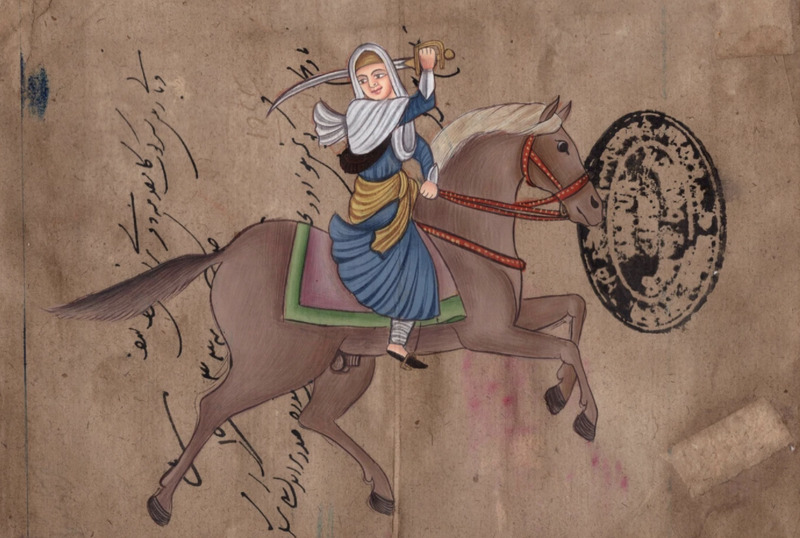
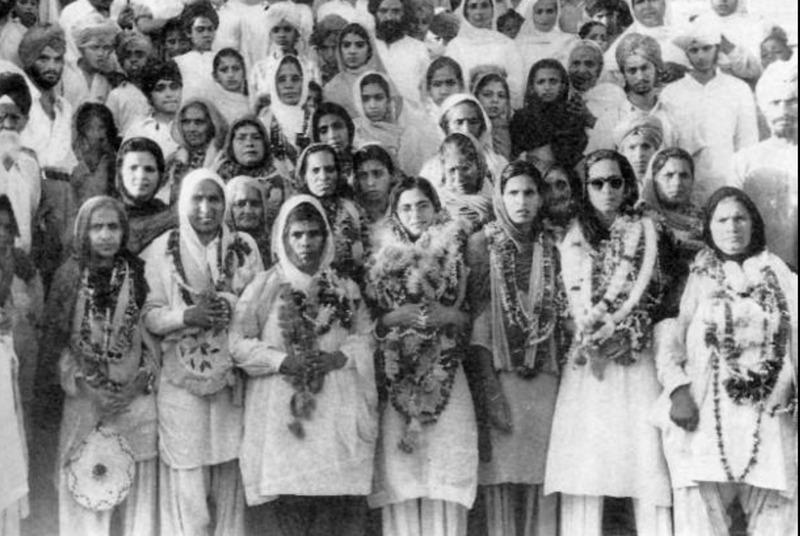
This article sheds light on Mai Bhago's life and legacy as the first documented Sikh woman representative of the sant-sipahi (saint-soldier) tradition.
prabhdeep singh kehal reflects on how we as a Sikh community retell our histories and narratives. They ask the questions of "What do you glamorize and why? What's left out in the valorization of our storytelling? What harm are we causing? How are our current narratives and historical outlooks about land in line and out of line with Sikh Gurmat teachings?” prabhdeep uses the concept of land ownership as an example to explore these questions.
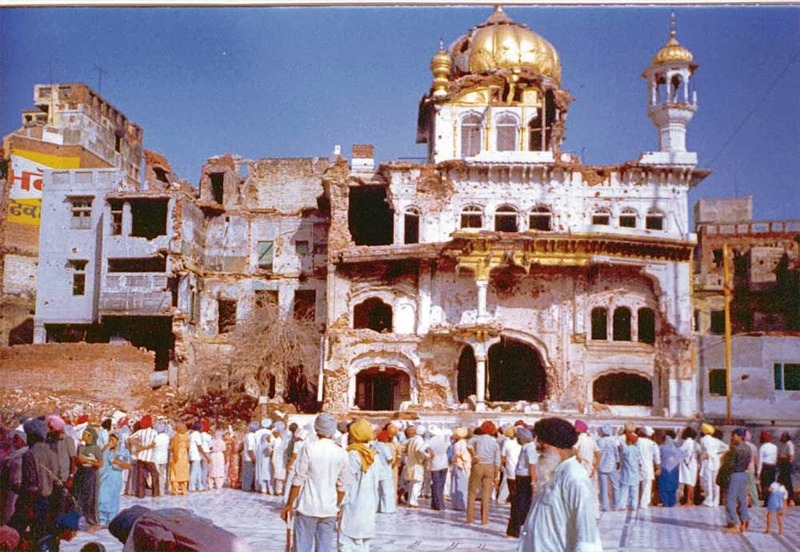
This series of three articles hopes to serve as a brief introduction to the events of 1984 and to provide a starting point for those interested in learning about the historical events. This is part 2.
This series of three articles hopes to serve as a brief introduction to the events of 1984 and to provide a starting point for those interested in learning about the historical events. This is part 3.
This series of three articles hopes to serve as a brief introduction to the events of 1984 and to provide a starting point for those interested in learning about the historical events. This is part 1.
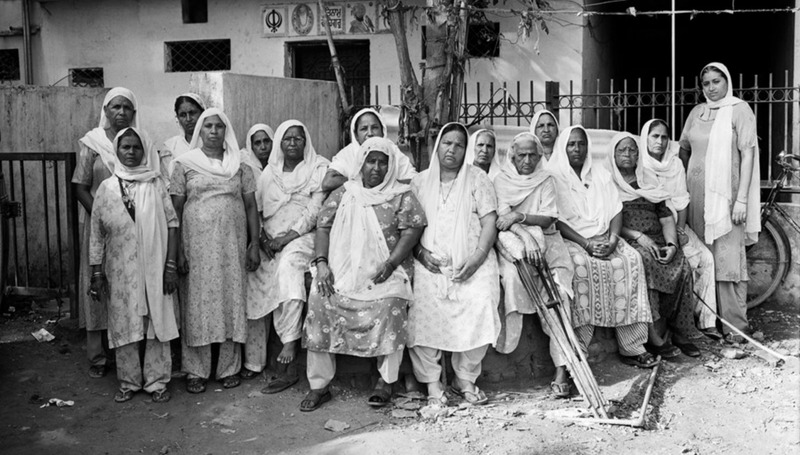
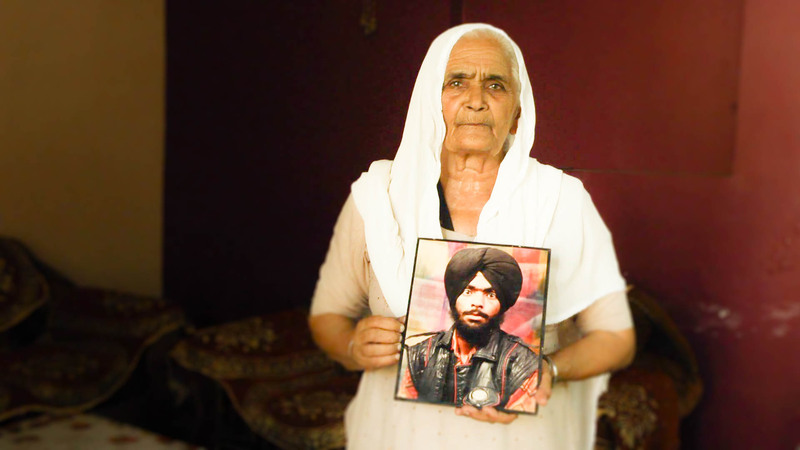
Satinder Kaur, a writer, director, and producer, recounts her experiences speaking with Kaurs about their experiences with human rights violations and police brutality in Punjab, and her effort to illuminate these stories.
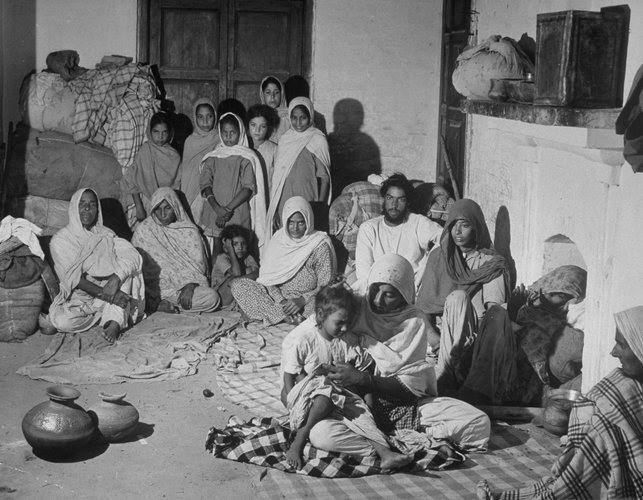
Phavanjit Kaur reflects how the Punjab partition of 1947 changed the narrative of her family's history, and motivated her to learn more about her bloodline.