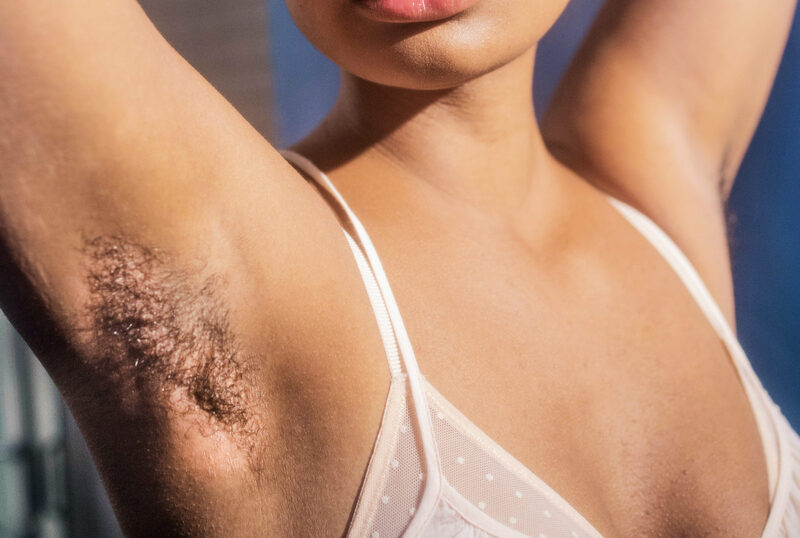
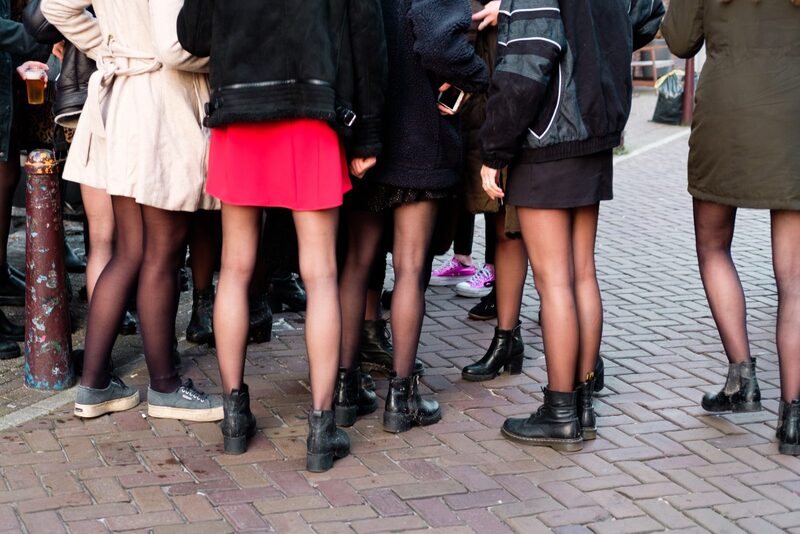
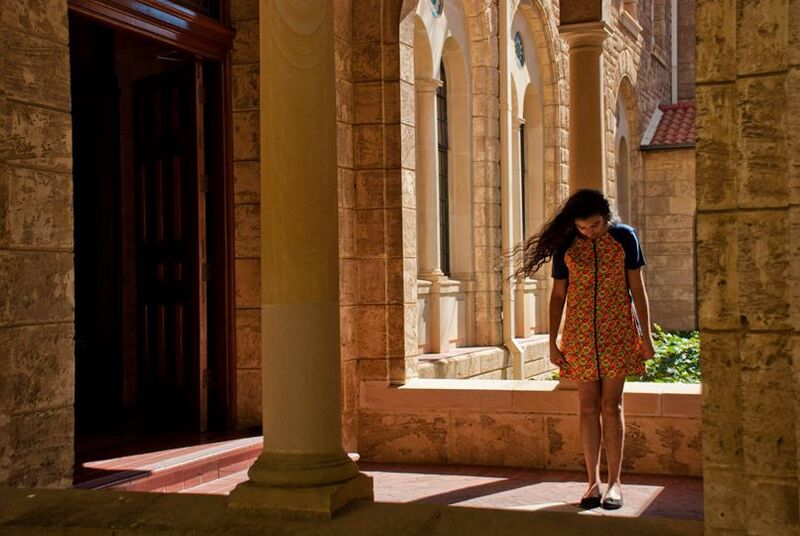
A discussion exploring the concepts of clothing, body policing, and modesty in relation to a Kaur's identity. Lakhpreet Kaur argues that definitions of modesty are shaped by time, place, and social context. This article frames dress as a personal and situational expression informed by Sikh values, surrounding sangat, and evolving cultural expectations.
An essay about whether it is acceptable for Sikh women to wear makeup. Using Gurbani, historical texts, and quotes from Sikh women, this article explores different points of view and offers questions for further discussion.
Harkiran Kaur writes about her experience learning about her multifaceted identity as a Sikh, an American, and a Kaur. She explains how classes in college helped her better understand her identity. She tells readers that it is in the removal of certain identity labels that we learn who we really are.
With Pride Month concluding, Arunima (all pronouns) shares a moving account of how she has come to understand gender fluidity as invaluable to their Sikhi and illumination.
Kamalpreet Kaur reflect on growing up in America and her experiences with people mispronouncing her name. Kamalpreet Kaur shares how she learned to give her name the truth it deserves.
Rajanpreet Kaur writes about how today's media influences womens' perception of their bodies. She writes about how spaces like Kaur Life help women change their perception of their bodies into being more positive.
In this short film, Sukhjit Kaur Khalsa shares a speech she gave as a participant in the Youth Parliament of Western Australia in July of 2012. She speaks about her experience accepting the Kesh on her body and how she overcame the bullying she experienced in high school.
In this video, Sukhjit Kaur Khalsa presents her poem at Perth Slam about her experience being questioned for her clothing choices as a Kaur. She highlights the double standards placed on Kaurs as she explores the tension between Sikhi, womanhood, and societal expectations. She calls for equality, self-expression, and a reframing of what it means to be a Kaur in today’s society.
In this poem, Sukhjit Kaur Khalsa writes about her experience being questioned for her clothing choices as a Kaur. She highlights the double standards placed on Kaurs as she explores the tension between Sikhi, womanhood, and societal expectations. She calls for equality, self-expression, and a reframing of what it means to be a Kaur in today’s society.
Nine Kaurs reflected on the article, "What is the Kaur Physical Identity?" and shared their journey with and evolution of their Sikh physical identity throughout their lives.
A compilation of several sources about the reasons Sikhs keep their Kesh, or uncut, long hair. Lakhpreet Kaur summarizes some of the different reasons that people give for why Sikhs keep kesh, in effort to help others find a reason that resonates with them.