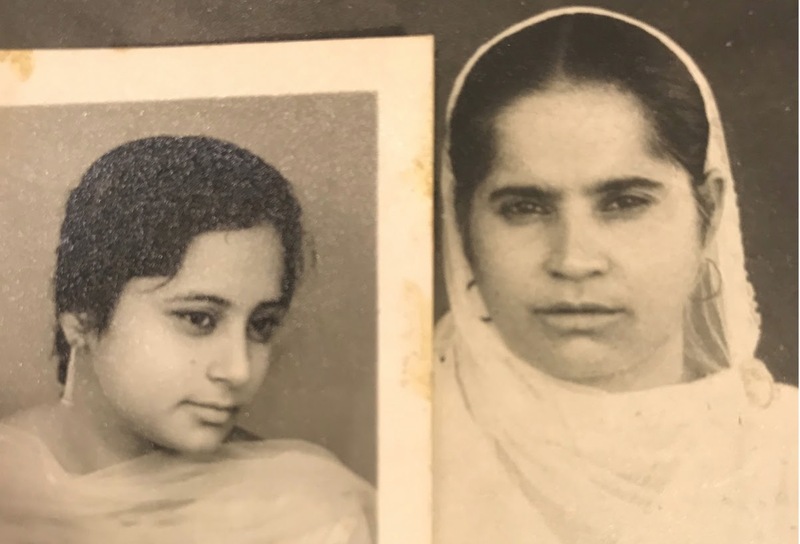
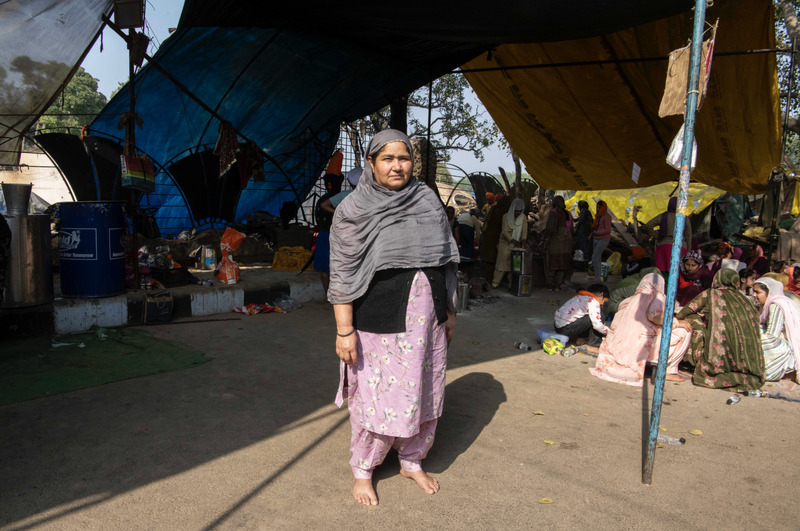
Sarabjeet Kaur shares a story of her mother defying cultural norms that discourage women from attending funeral rites. Kaur highlights her mother's courage to honor her own mother with dignity and celebrates women who challenge tradition and create space for equality.
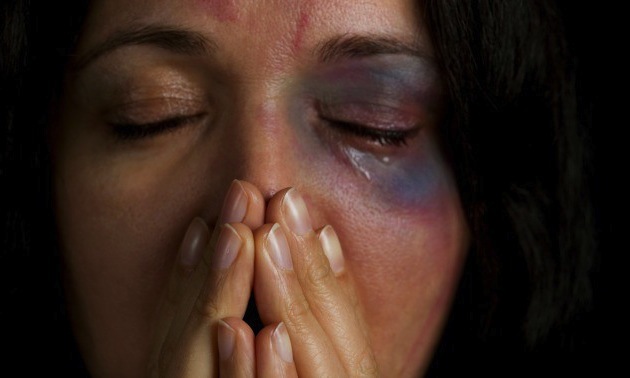
In order to make Gurdwaras a more welcoming space for Sikh efforts, Harmit Kaur encourages readers to be allies to Sikh-led causes. She shares a free way to do so: being an ally to stand up against gender based violence.
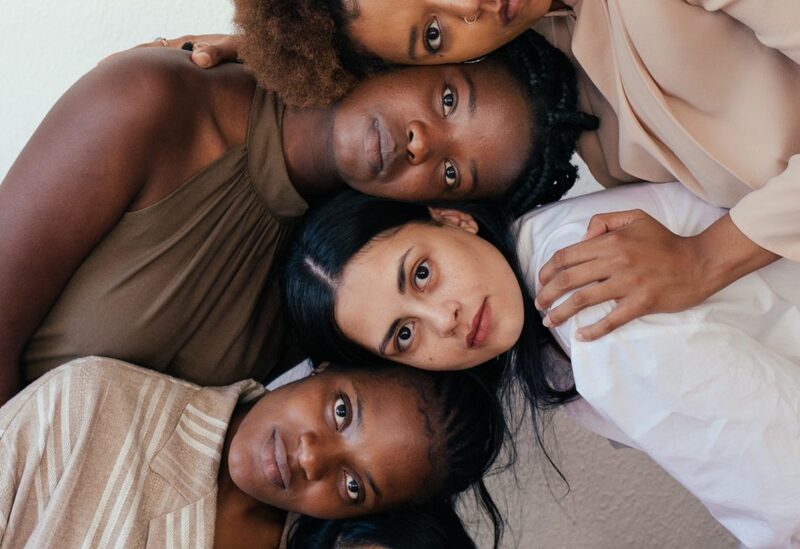
This article discusses the question, "How Does Anti-Blackness Show Up in the Sikh Community?". This article is part of Kaur Life’s Black Lives Matter series created by Kaur Life board members and project advisors.
This article discusses the question, "How and why do Sikhs align with whiteness?". This article is part of Kaur Life’s Black Lives Matter series created by Kaur Life board members and project advisors.
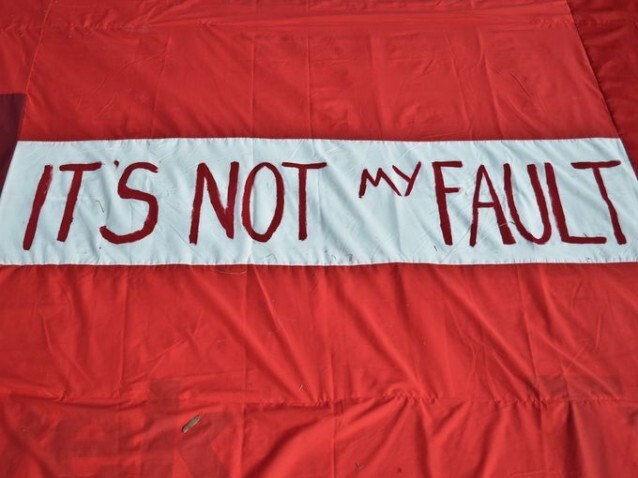
Amrita Kaur Dang, the only Sikh volunteer for the Monument Quilt project, speaks about the project's goal to collect the stories of sexual abuse survivors and raise awareness about gender based violence.
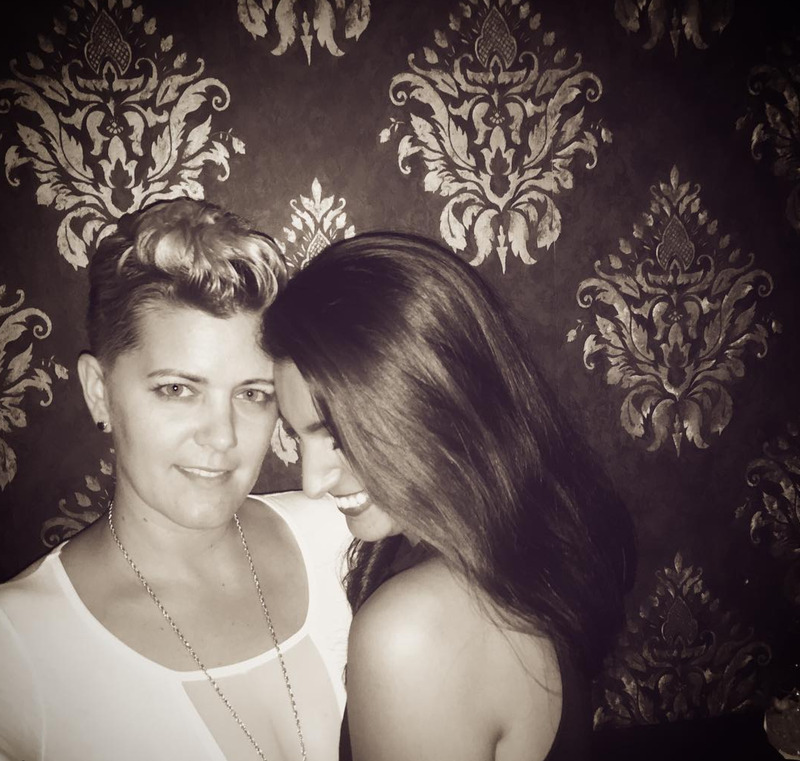
After Puneet Kaur Dhillon posted a photo on Instagram and unintentionally hailed a firestorm of comments, assumptions, questions, and critiques about her personal life, she shares her experience and thoughts about the Sikh community, American society, relationships, and LGBTQ issues.
In this article, Lakhpreet Kaur discusses the crisis of female feticide and gender-based violence in India, citing statistics that reveal the severity of discrimination against girls beginning before birth. Kaur also highlights the work of artist Jagdeep Raina, whose artwork brings attention to the realities of female infanticide and women’s rights.
B.E. Kaur shares a poem reflecting on the tension between Punjabi societal expectations and Sikh ideals of equality. In her poem, she reclaims her autonomy through her vision of spiritual and personal sovereignty.
Kaur Life shares excerpts of a conversation with Wendy Aujla, about her research findings regarding domestic abuse and her interviews with survivors in the South Asian community.
The Kaur Life board discusses the issue of sexual assault within Sikh spaces. Kaur Life's ultimate goal is to support survivors of sexual assault and to help create a more just Sikh society which is free of sexual assault and gender-based violence.
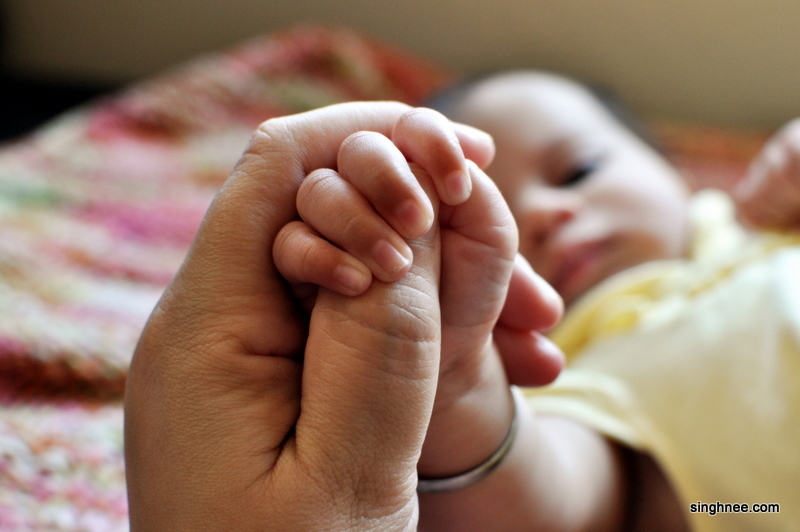
Raj Khaira introduces readers to the Pink Ladoo Campaign and how it encourages South Asian parents to celebrate the birth of a daughter as much as they celebrate the birth of a son.
Meeta Kaur reflects on the gap between Sikh ideals of gender equality and the lived experiences of women, and calls for a rethinking of cultural norms and family dynamics. She advocates for emotional literacy, shared responsibility, and intentional support of Kaurs to create a more equitable and spiritually aligned community.
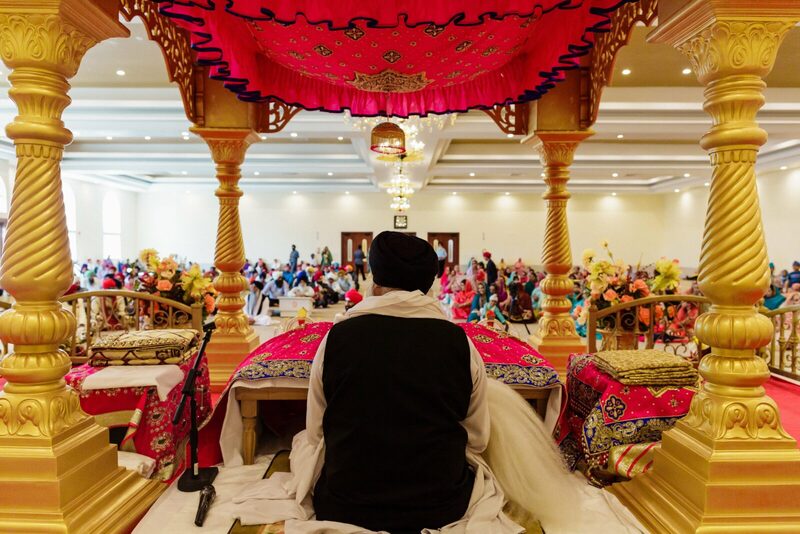
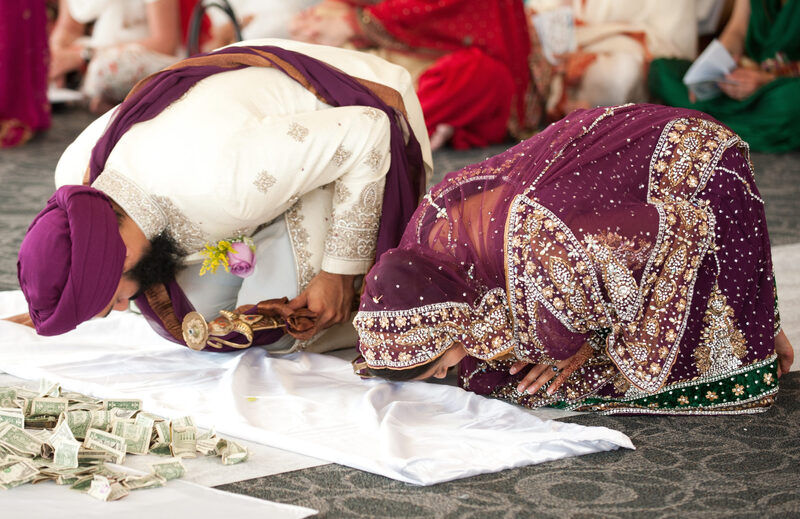
Baghael Kaur responds to the outrage and shock that resulted after Kaur Life shared Shawn Singh Tucker and Baljit “Bally” Kaur Lehal's decision to do an unconventional Anand Karaj.
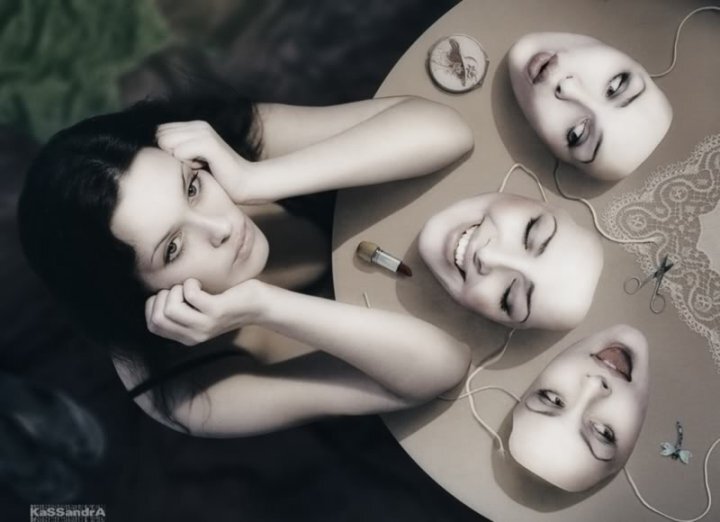
An essay exploring the question, “What does a Kaur look like?”. Lakhpreet Kaur reflects on the lack of a unified physical identity for Sikh women, contrasting it with the clear visual identity of Singhs. Through discussion of identity politics, personal experiences, and psychological models of identity formation, she examines the challenges Kaurs face in representing themselves within the Panth and to the wider world, and raises questions about whether a consistent, collective physical identity is necessary.