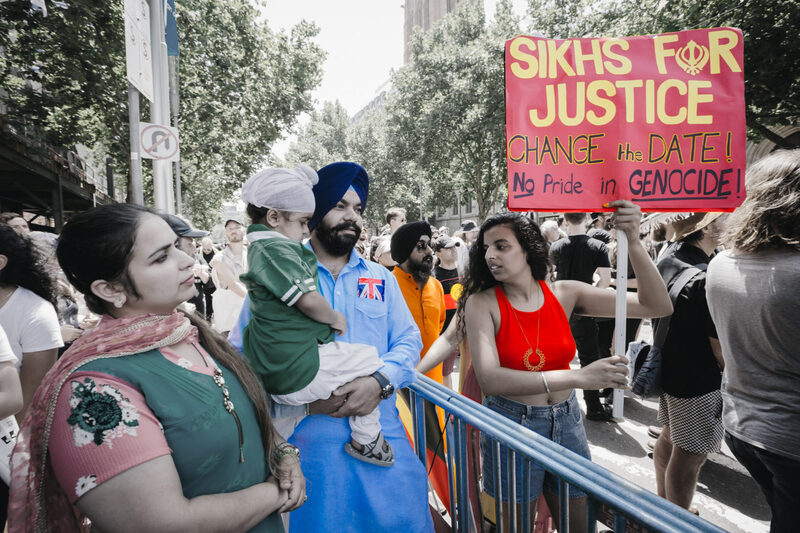
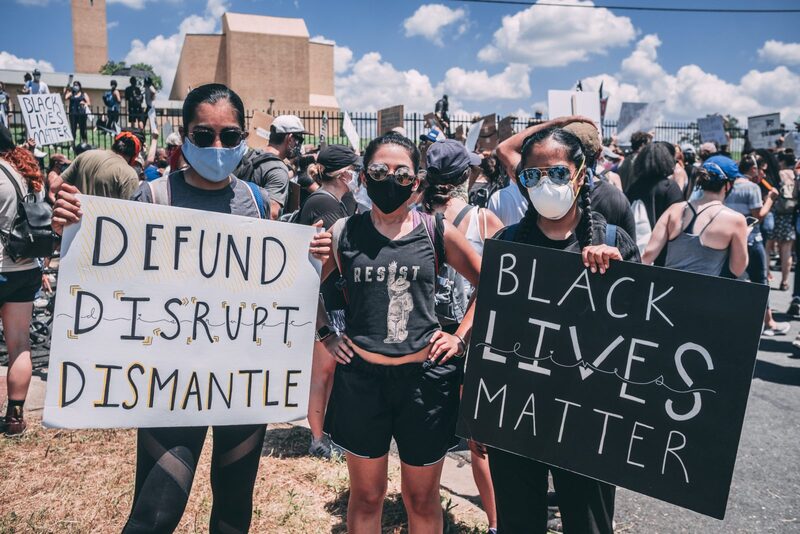
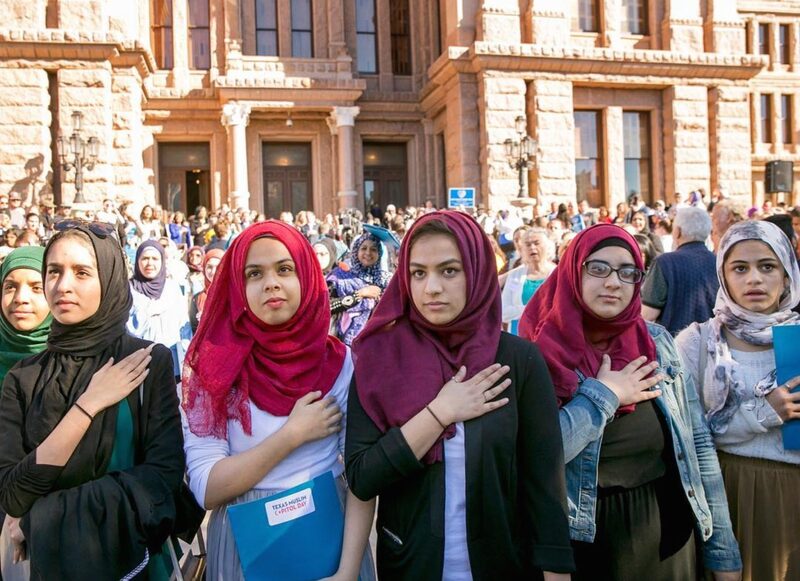
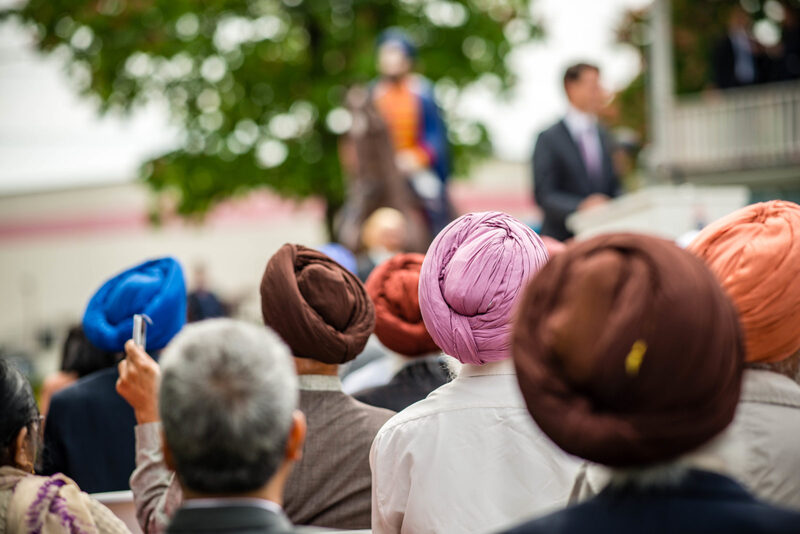
This article discusses the question, "Should Sikhs Care About Black Lives Matter?". This article is part of Kaur Life’s Black Lives Matter series created by Kaur Life board members and project advisors.
A compilation of several sources about the reasons Sikhs keep their Kesh, or uncut, long hair. Lakhpreet Kaur summarizes some of the different reasons that people give for why Sikhs keep kesh, in effort to help others find a reason that resonates with them.
In reference to a recent article about confronting sexual assault in Sikh spaces, this article explains 7 reasons why KaurLife does not share the names of survivors without survivor informed consent. The article also includes South-Asian and Sikh specific resources for sexual assault survivors.
Navya Kaur, a college undergraduate student, wished to use her computer science skills for good and to help people. She shares how she decided to intern for the federal government instead of a large tech company and reflects on how she used Sikhi to navigate an ever-changing government environment.
The second article in the Sangat Harassment series explores different reasons as to why people might feel the need to hurt others through cyberbullying.
Japjyot Singh expands on the previous work of other Kaur Life writers: Arunima, Harnoor Singh, Tavleen Kaur, and prabhdeep singh kehal. Japjyot Singh presents a personal reflection on the development of gender in Sikh philosophy.
Manvinder Kaur reflects on growing up around alcohol in the Punjabi-Sikh community. She explores how generational trauma, norms, and mental health intersect with addiction, and describes her journey to approach alcohol use with compassion, support and understanding.
In this poem, Baneet Singh reflects on the respect we hold for our mothers and questions why that same respect is not extended to all women. This poem encourages women to embrace their identity, and reminds them that their true value is defined by their character and resilience.
In this 3 part series, manu kaur and manmit singh chahal examine whether Sikh spaces and communities are living up to the Gurus’ vision of equality, liberation, and spiritual growth for all people. They explore how issues such as casteism, queerphobia, and transphobia continue to shape Sikh spaces and challenge readers to imagine more inclusive futures. This is part 2.
A Kaur reflects on the #MeToo movement to highlight how sexual abuse within the Sikh community is often silenced to protect reputation and honor. She urges the community to support survivors and uphold justice and equality.
Anonymous Kaur uses Gurbani and her personal experiences to challenge the expectations that an “ideal wife” should look and act a certain way to be deemed a worthy woman.
In this 3 part series, manu kaur and manmit singh chahal examine whether Sikh spaces and communities are living up to the Gurus’ vision of equality, liberation, and spiritual growth for all people. They explore how issues such as casteism, queerphobia, and transphobia continue to shape Sikh spaces and challenge readers to imagine more inclusive futures. This is part 1.
Inspired by Divpreet Kaur’s new podcast, Gurmat Colored Glasses, Lakhpreet Kaur explores the question, “What is a Sikh's response to the coronavirus pandemic?” from a Gurbani, history, and rehat angle.