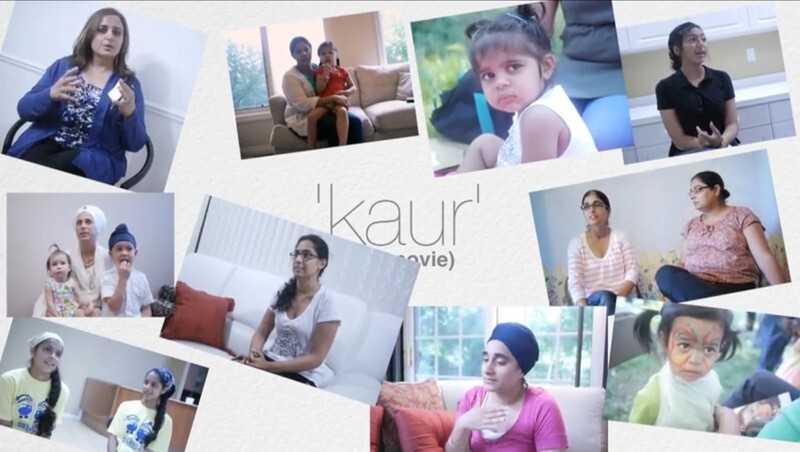
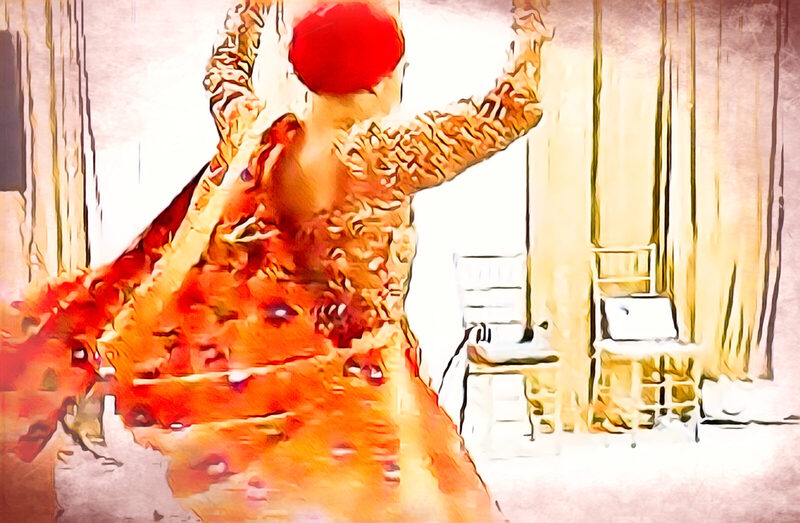
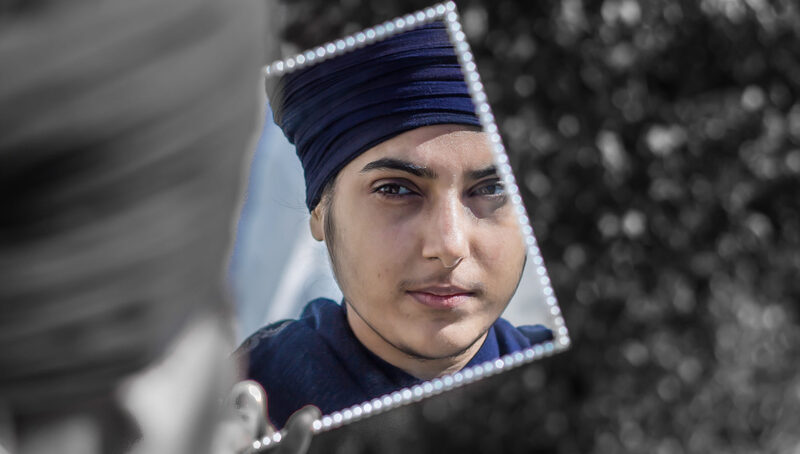
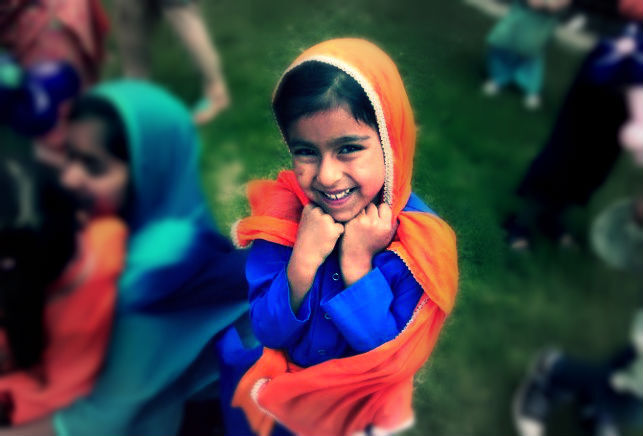
"Kaur” is a short film that demonstrates how diverse, unique, and inspiring each Sikh woman can be. Harnek Singh and Rasna Kaur wanted to make a film that not only represents a wide spectrum of Sikh women, but also touches on important aspects of a Kaur’s everyday life.
Harleen Kaur and Rasna Kaur share the fourth set of a poetry and photo series uncovering the identity of the Sikh female. This set is all about the Kara.
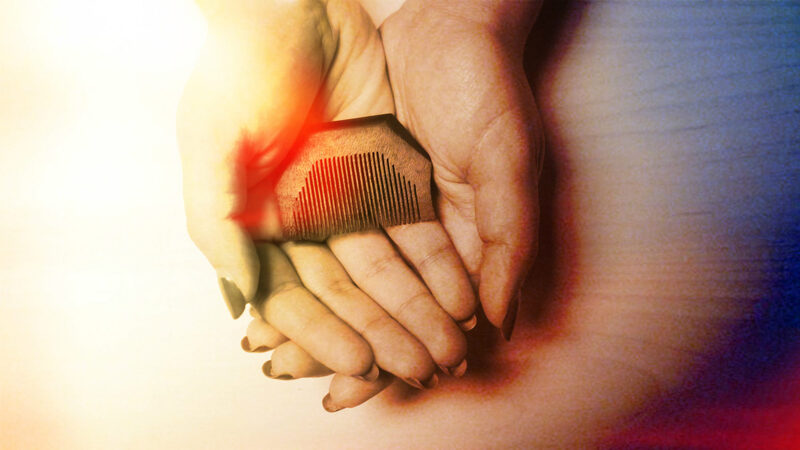
Harleen Kaur and Rasna Kaur share the second set of a poetry and photo series uncovering the identity of the Sikh female. This set is all about the Kanga.
Lakhpreet Kaur writes about Kamal Kaur who joined her high school’s all-boys football team despite concerns from classmates, her community, and her family. She describes Kamal’s intense training, determination, and eventual acceptance by her teammates and coaches. Kamal also reflects on how she balanced athletics with her Sikh identity and encourages other Sikhs to pursue sports without compromising their beliefs or identities.
Harleen Kaur and Rasna Kaur share the fifth and final set of a poetry and photo series uncovering the identity of the Sikh female. This set is all about the Kachera.
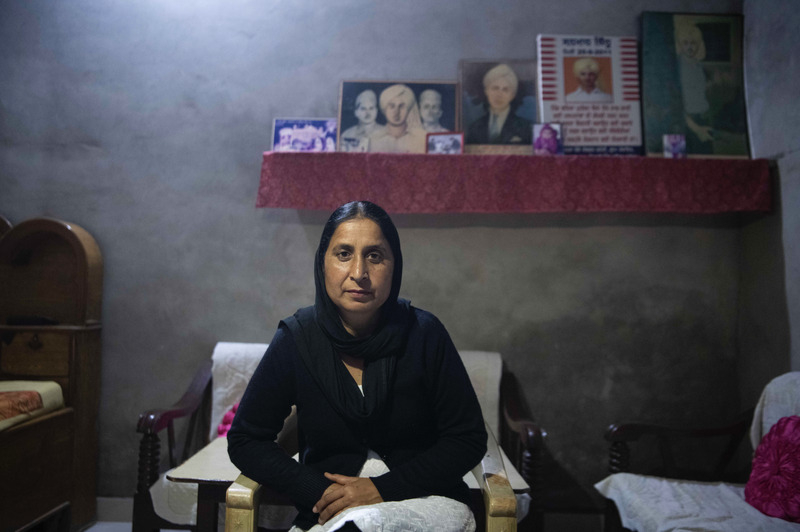
Photographer and journalist Rohit Lohia sits down with Paramjeet Kaur in Punjab to talk about her life of protesting and her conviction to stand up for the rights of women and laborers in her village.
A discussion exploring the concepts of clothing, body policing, and modesty in relation to a Kaur's identity. Lakhpreet Kaur argues that definitions of modesty are shaped by time, place, and social context. This article frames dress as a personal and situational expression informed by Sikh values, surrounding sangat, and evolving cultural expectations.
An essay about whether it is acceptable for Sikh women to wear makeup. Using Gurbani, historical texts, and quotes from Sikh women, this article explores different points of view and offers questions for further discussion.
Harkiran Kaur writes about her experience learning about her multifaceted identity as a Sikh, an American, and a Kaur. She explains how classes in college helped her better understand her identity. She tells readers that it is in the removal of certain identity labels that we learn who we really are.
A Kaur writes about her struggles with depression and reflects on her journey to accept her depression, getting help, and building the tools to improve her mental health.
Dr. Jaspreet Kaur she shares her 15 year fitness journey and the amazing Sikh women who have helped her along the way. She reached out to four Kaurs and asked them to talk and train with her. The second Kaur is Sandeep "Sandy" Kaur.
Jaspreet Kaur shares how spaces like her home and Toronto Sikh Retreat helped her reframe traditional gender roles and gave her security in belonging in any space without adhering to prescribed gender roles.
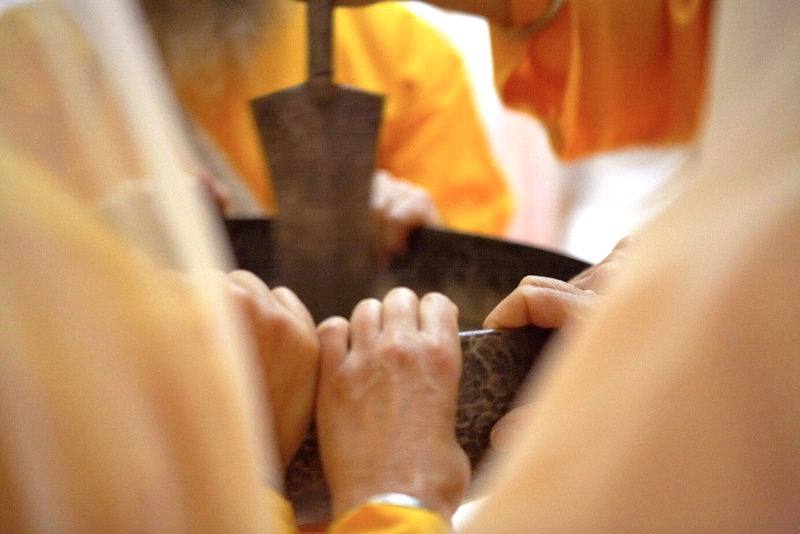
Bani Kaur examines the exclusion of women from seva at Harmandir Sahib, and questions practices that contradict Sikhi’s principle of equality. She calls for a return to Guru Nanak’s teachings and urges Sikhs to challenge gender-based restrictions and support female participation in Seva.
In the third article in the Sangat Harassment series, Kaurs share what they need from the community to continue doing seva and discuss a Sikh response to harassment and online abuse.
With Pride Month concluding, Arunima (all pronouns) shares a moving account of how she has come to understand gender fluidity as invaluable to their Sikhi and illumination.