Dhaya Kaur reflects on how her understanding of domestic abuse has evolved. She calls the Sikh community to have greater awareness, open discussions, and take action.
Baani Kaur reflects on how Gurbani has helped her understand her personal experiences. She reflects on understanding that connection and disconnection are natural parts of life, and how to reach acceptance.
In this 3 part series, manu kaur and manmit singh chahal examine whether Sikh spaces and communities are living up to the Gurus’ vision of equality, liberation, and spiritual growth for all people. They explore how issues such as casteism, queerphobia, and transphobia continue to shape Sikh spaces and challenge readers to imagine more inclusive futures. This is part 3.
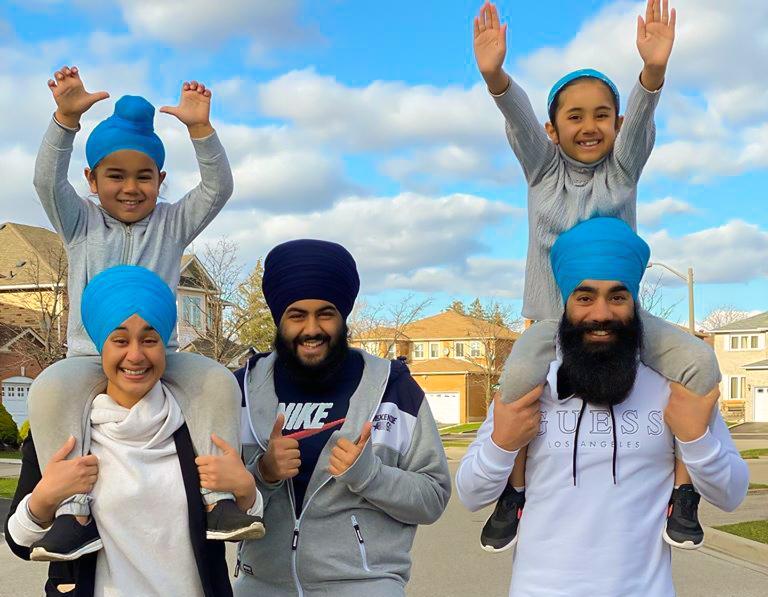
During the COVID-19 lockdown, SikhNet and Kaur Life teamed up to interview families and parents to learn tools, tricks and advice, from real life experiences, to help everyone make the most out of an unfamiliar time.
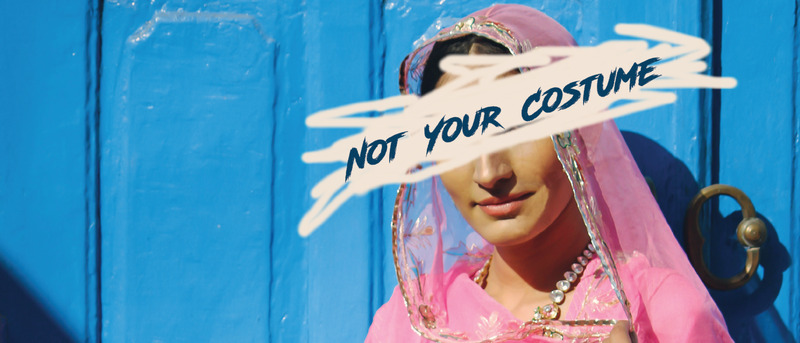
Lakhpreet Kaur explores cultural appropriation and its impact on minority and marginalized communities. Kaur encourages readers to reclaim their identities through education and pride in their heritage.
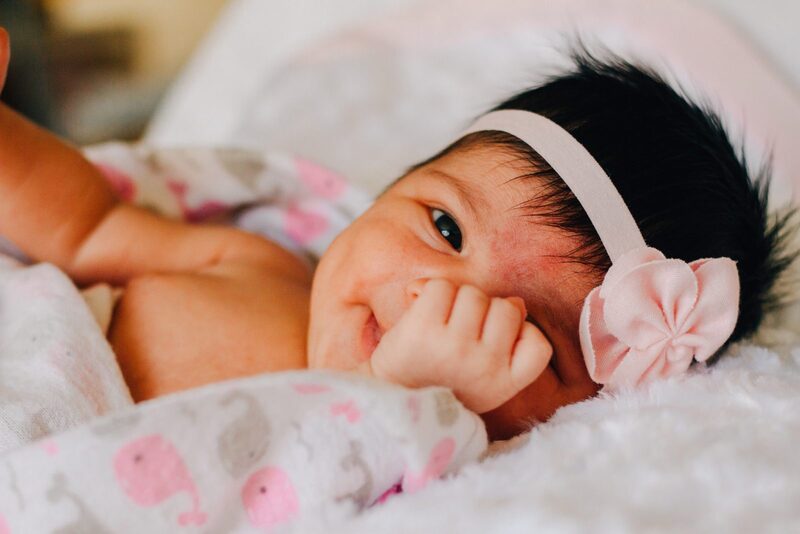
Simona Singh shares poems depicting a hypothetical conversation between a father and his daughter, before her birth. It reflects the anticipation, excitement, love, and fear of a father at the prospect of meeting his daughter for the first time.
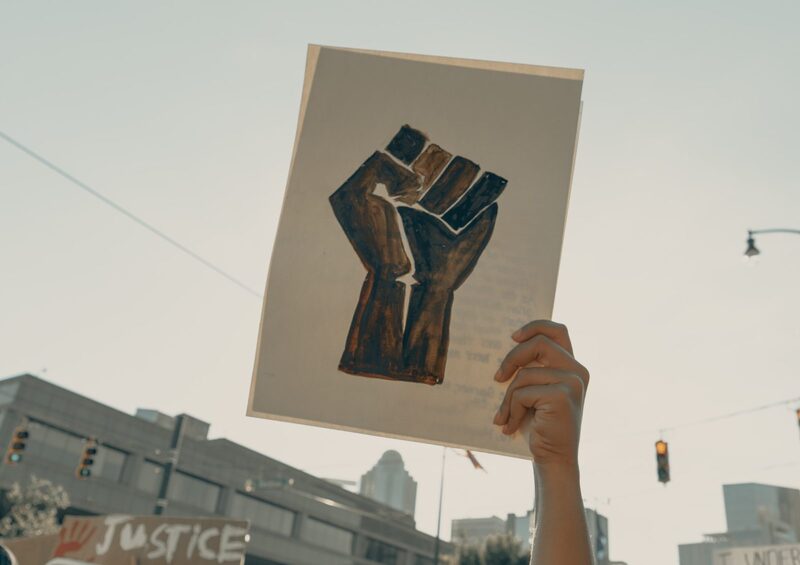
This article discusses how Sikhs can become Anti-Racist & Support BLM. This article is part of Kaur Life’s Black Lives Matter series created by Kaur Life board members and project advisors.
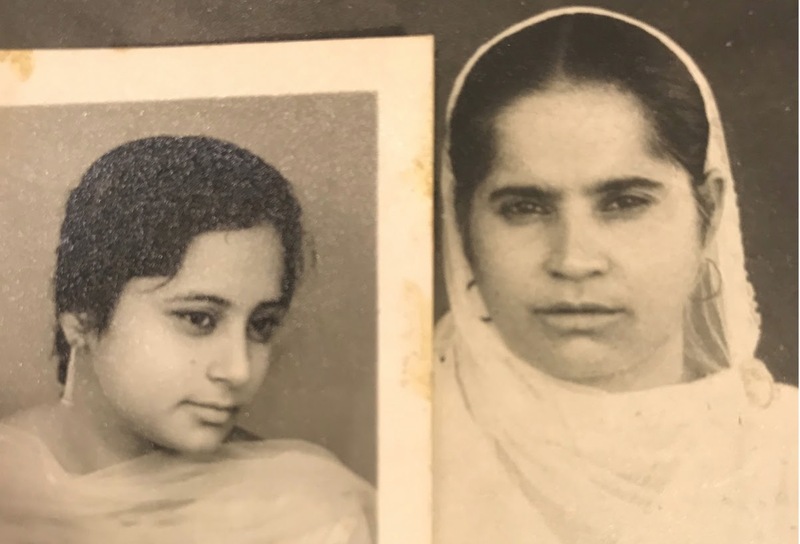
Sarabjeet Kaur shares a story of her mother defying cultural norms that discourage women from attending funeral rites. Kaur highlights her mother's courage to honor her own mother with dignity and celebrates women who challenge tradition and create space for equality.
Kamalpreet Kaur reflect on growing up in America and her experiences with people mispronouncing her name. Kamalpreet Kaur shares how she learned to give her name the truth it deserves.
In order to make Gurdwaras a more welcoming space for Sikh efforts, Harmit Kaur encourages readers to be allies to Sikh-led causes. She shares a free way to do so: being an ally to stand up against gender based violence.
This article discusses the question, "How Does Anti-Blackness Show Up in the Sikh Community?". This article is part of Kaur Life’s Black Lives Matter series created by Kaur Life board members and project advisors.
Anonymous Kaur reflects on her experience with diet culture and body image, connecting it to colonial beauty standards and societal pressures. She shares how Sikhi and sangat helped her accept her body.
This article discusses the question, "How and why do Sikhs align with whiteness?". This article is part of Kaur Life’s Black Lives Matter series created by Kaur Life board members and project advisors.
Shreya Sharma shares the story of volunteer and protestor, Gurpreet Kaur (name changed to protect identity) who joined the farmers' protest in Delhi in 2020.
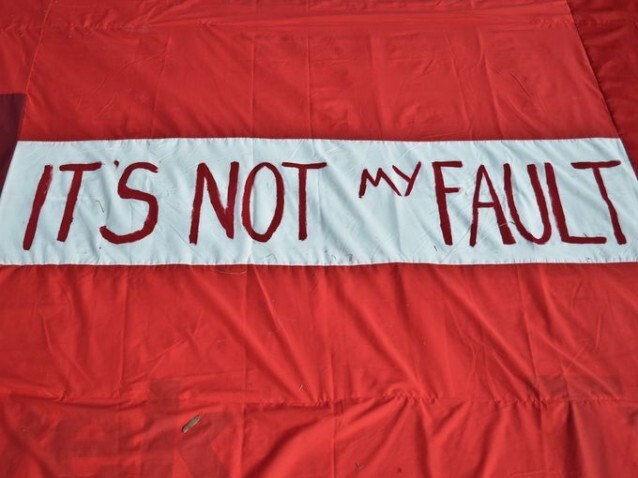
Amrita Kaur Dang, the only Sikh volunteer for the Monument Quilt project, speaks about the project's goal to collect the stories of sexual abuse survivors and raise awareness about gender based violence.
Kaur Life interviews photographer Sukhdip Purewal Boparai about her Revolutionary Portrait Project to celebrate Women’s History Month. She hopes to revive the legacy of historical and revolutionary Sikh/Punjabi women through the portraiture of contemporary women living in the US diaspora today.
After Puneet Kaur Dhillon posted a photo on Instagram and unintentionally hailed a firestorm of comments, assumptions, questions, and critiques about her personal life, she shares her experience and thoughts about the Sikh community, American society, relationships, and LGBTQ issues.