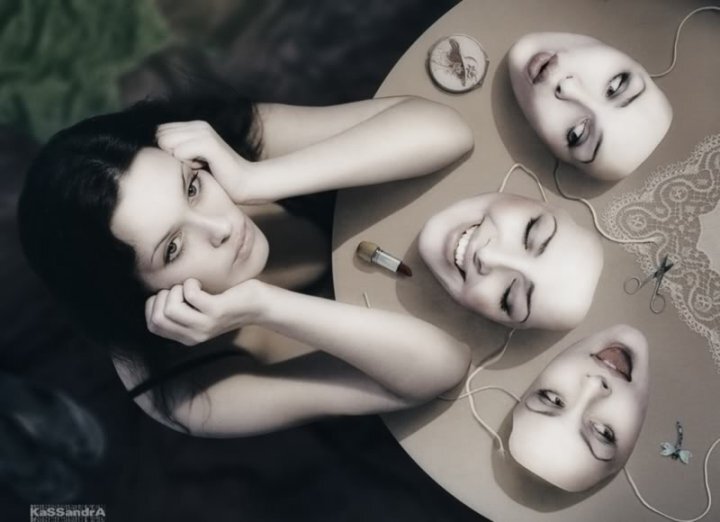
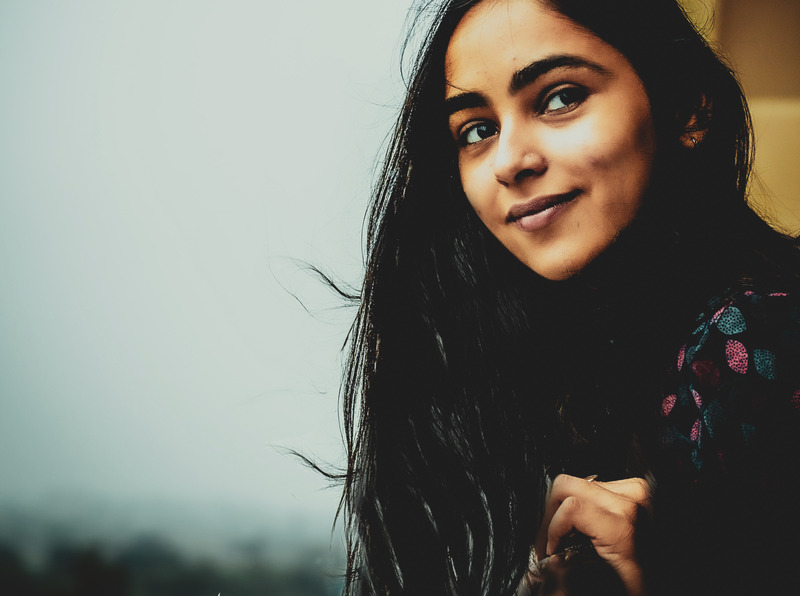
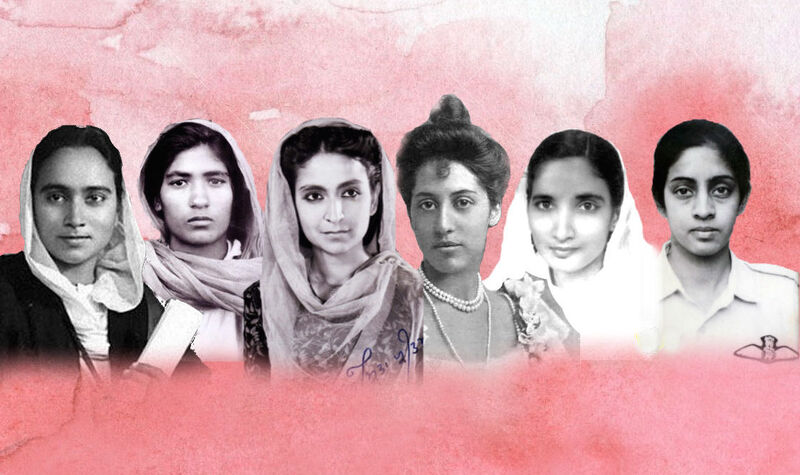
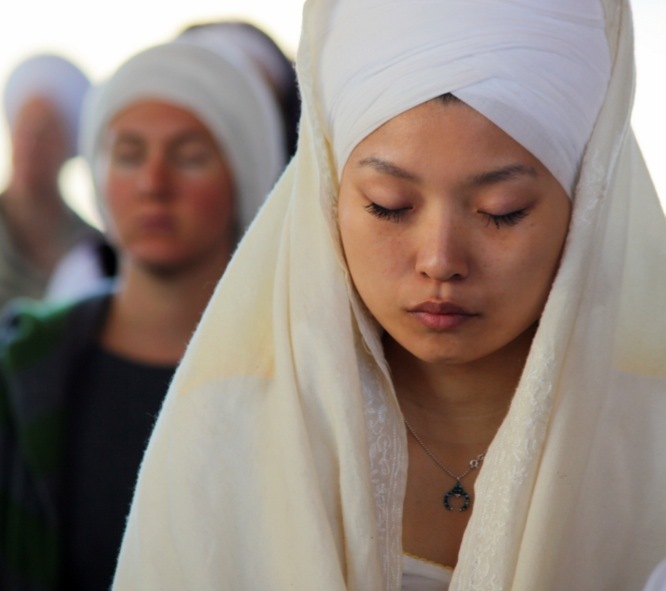
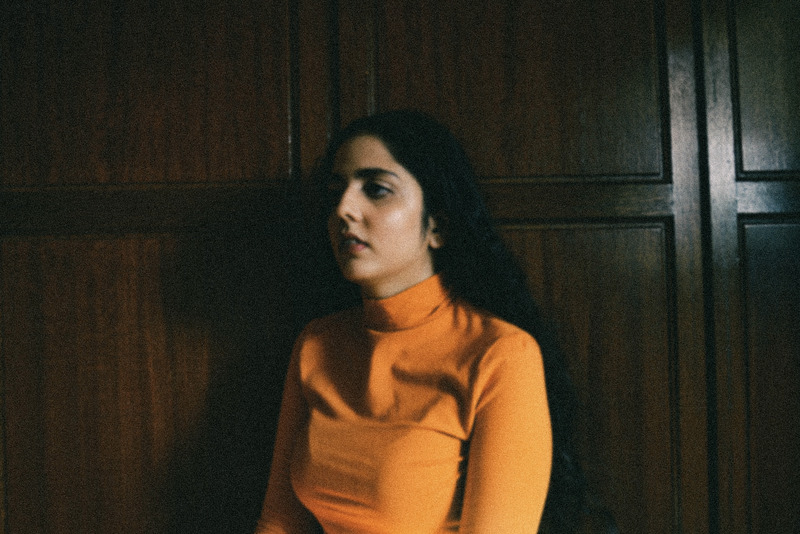
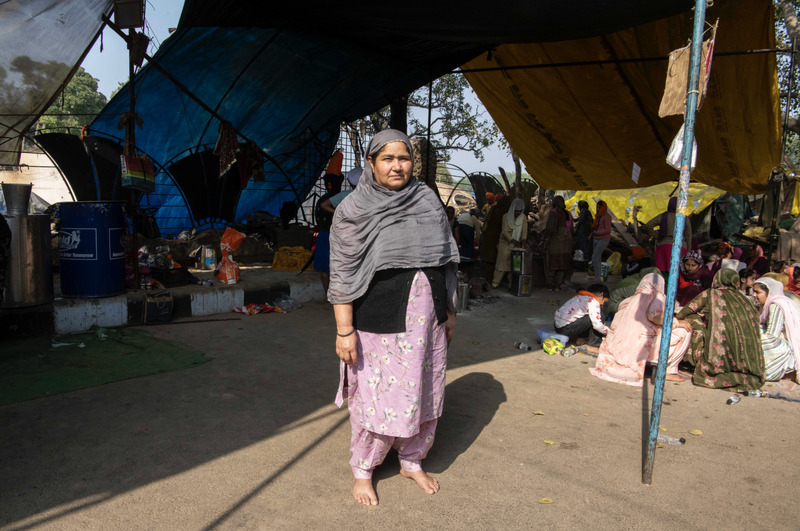
An essay exploring the question, “What does a Kaur look like?”. Lakhpreet Kaur reflects on the lack of a unified physical identity for Sikh women, contrasting it with the clear visual identity of Singhs. Through discussion of identity politics, personal experiences, and psychological models of identity formation, she examines the challenges Kaurs face in representing themselves within the Panth and to the wider world, and raises questions about whether a consistent, collective physical identity is necessary.
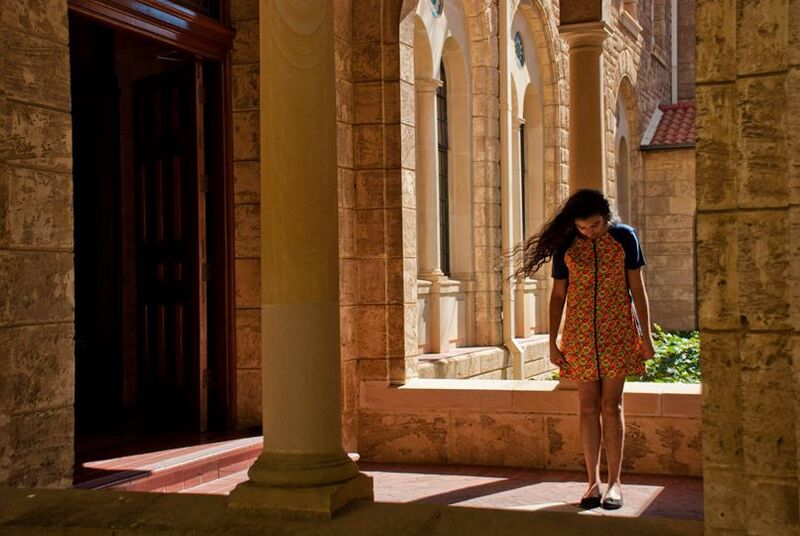
In this video, Sukhjit Kaur Khalsa presents her poem at Perth Slam about her experience being questioned for her clothing choices as a Kaur. She highlights the double standards placed on Kaurs as she explores the tension between Sikhi, womanhood, and societal expectations. She calls for equality, self-expression, and a reframing of what it means to be a Kaur in today’s society.
In this poem, Sukhjit Kaur Khalsa writes about her experience being questioned for her clothing choices as a Kaur. She highlights the double standards placed on Kaurs as she explores the tension between Sikhi, womanhood, and societal expectations. She calls for equality, self-expression, and a reframing of what it means to be a Kaur in today’s society.
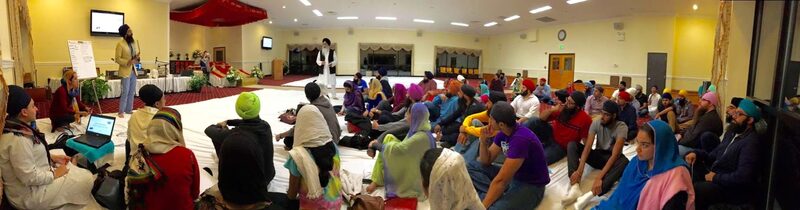
Nine Kaurs reflected on the article, "What is the Kaur Physical Identity?" and shared their journey with and evolution of their Sikh physical identity throughout their lives.
A compilation of several sources about the reasons Sikhs keep their Kesh, or uncut, long hair. Lakhpreet Kaur summarizes some of the different reasons that people give for why Sikhs keep kesh, in effort to help others find a reason that resonates with them.
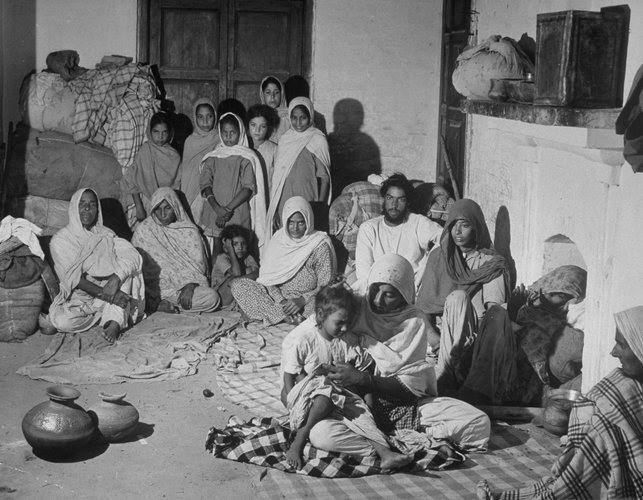
Phavanjit Kaur reflects how the Punjab partition of 1947 changed the narrative of her family's history, and motivated her to learn more about her bloodline.