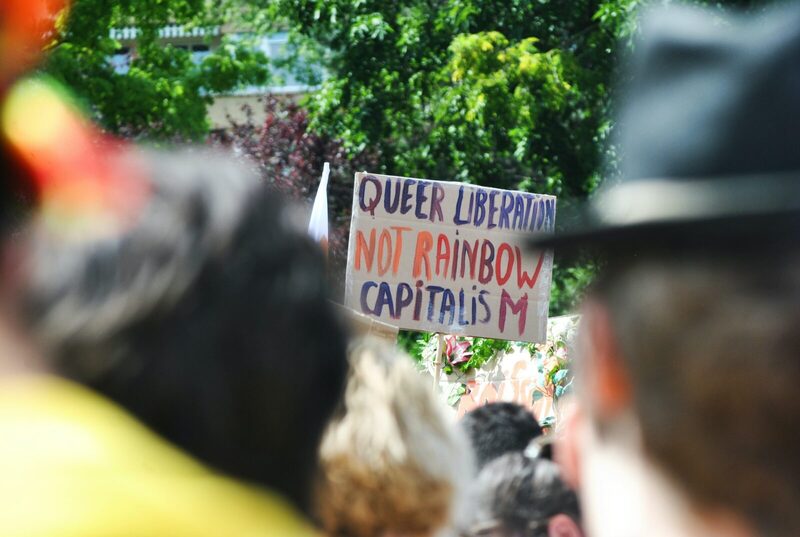
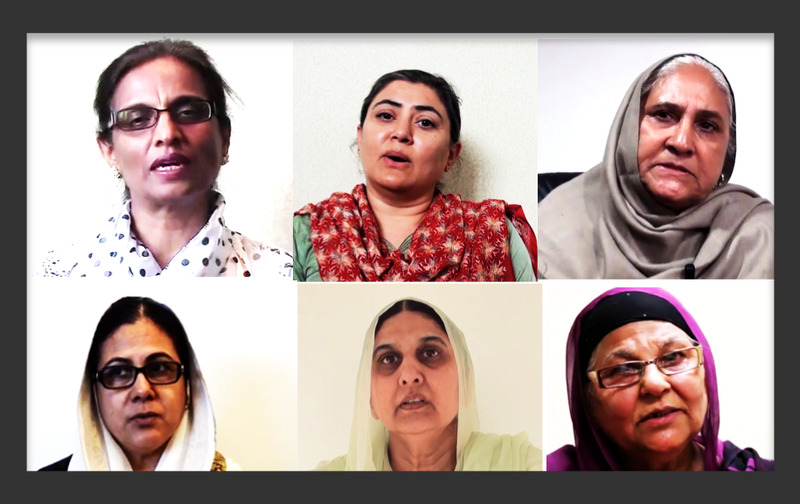
In this 2 part series, prabhdeep singh kehal shares their thoughts on the proposed laws targeting transgender communities. In part 2, prabhdeep interviews several Transgender & Queer Sikhs and showcases their challenges & hopes for our society and panth. They also share ideas on how allies can help.
In this poem, Jasmin Kaur responds to a woman who asked her why she ties a dastar. She connects her daily act of tying her dastar to Sikh history and its legacy of resistance. She describes her dastar as a crown and a commitment to uphold freedom and sovereignty.
Jaslin Kaut writes about celebrating Women’s History Month in her hometown of Queens, New York City -- a place powered by the love, labor, and legacy of working immigrant women who have fought for a more just, dignified, and free future for us all.
Sukhmani Kaur Kocher reflects on her childhood, the abuse her father inflicted on her family, how Sikhi was her rock, and how she was able to move forward and heal. This article is part 2 of her story.
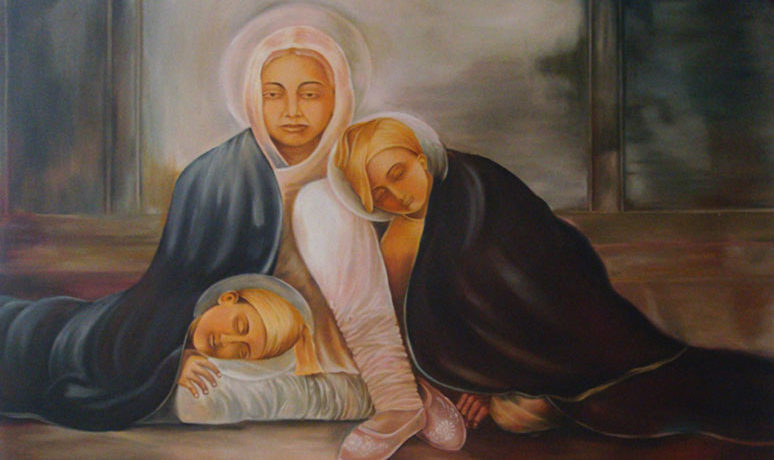
In this art piece, called "The Ties that Bind Us", Jagdeep Raina illustrates that all humans are bound to a woman biologically, spiritually, physically, and emotionally.
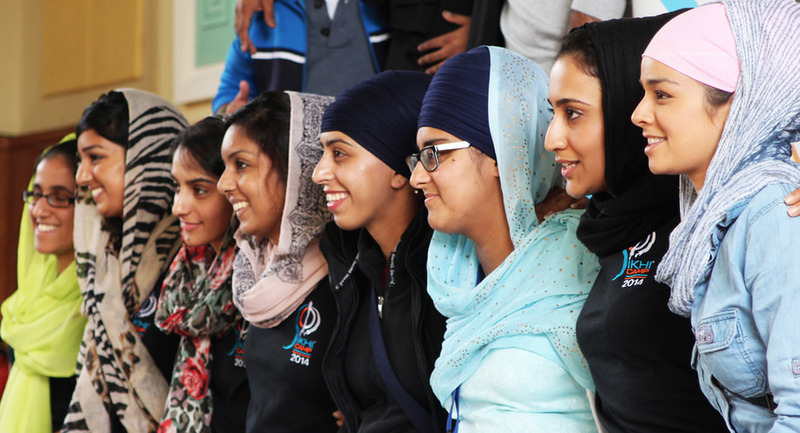
Harleen Kaur reflects on the belief that the visible Sikh identity is only for men. Kaur challenges this belief and calls the Sikh Panth to encourage Kaurs' participation in donning the Sikh identity.
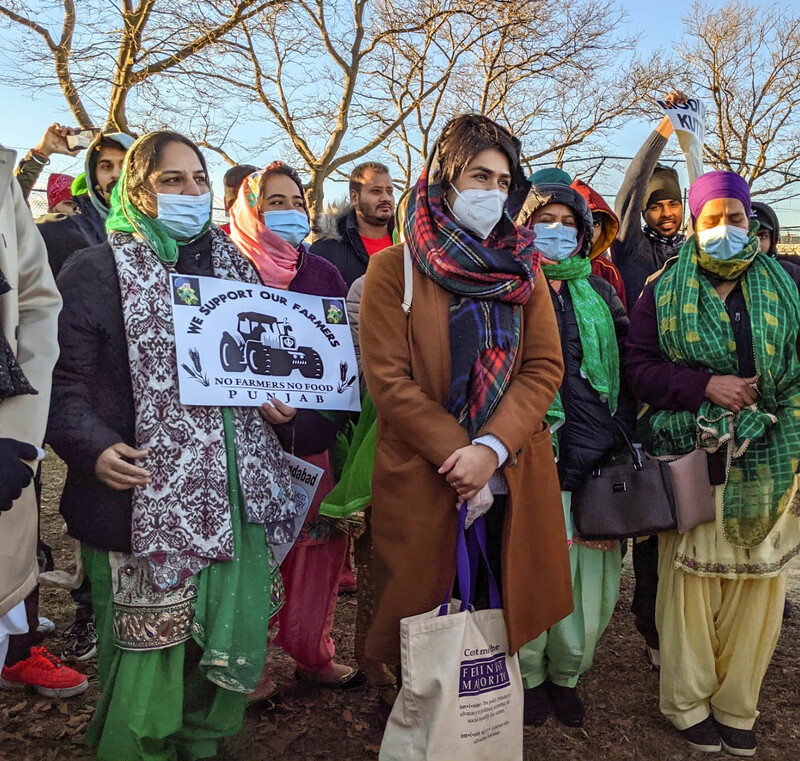
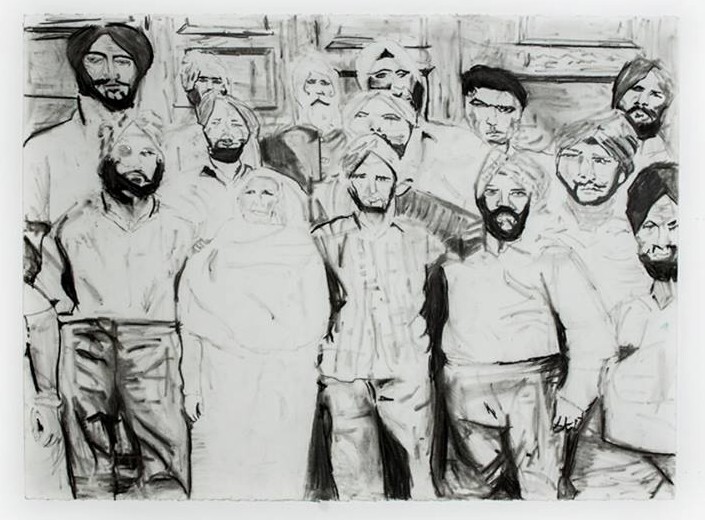
This article highlights the growing number of Sikh and Punjabi immigrants detained under U.S. immigration policies and urges the Sikh community to educate themselves about these detainees' struggles. It emphasizes the importance of seva, advocacy, and collective responsibility in supporting these individuals.
Tavleen Kaur tries to understand how the Sikh panth is doing by talking to Sojhi Kaur. Together they explore the challenges the panth faces and what we can do to address them. In this part, Tavleen Kaur continues her conversation with Sojhi Kaur as they try to assess the current health of the Sikh community, and discuss next steps.
Tavleen Kaur tries to understand how the Sikh panth is doing by talking to Sojhi Kaur. Together they explore the challenges the panth faces and what we can do to address them.
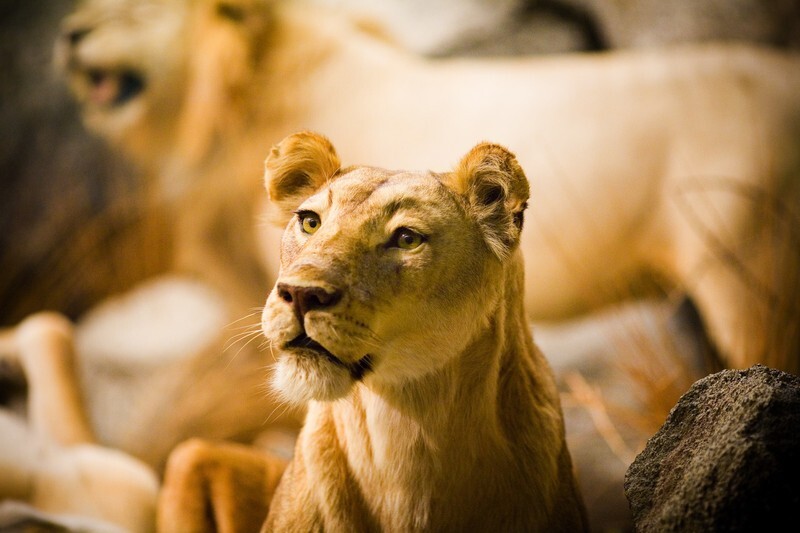
In this poem, Harbani (Bani) Kaur Ahuja writes about the meaning of her Kesh through the memories of her childhood and her mother. She compares her Kesh to a lioness' mane, which symbolizes her pride in her identity.
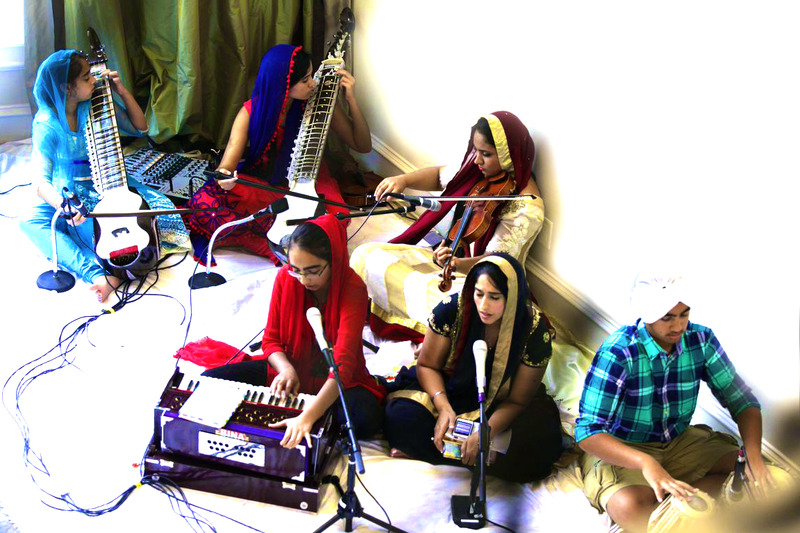
Lakhpreet Kaur writes about a group of cousins who sing Kirtan together. She also interviews 2 of the cousins about how they became interested in learning Kirtan.