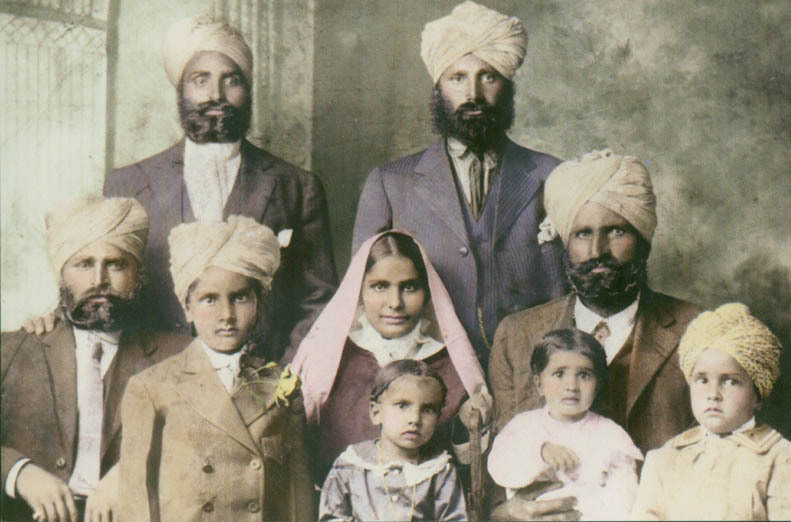
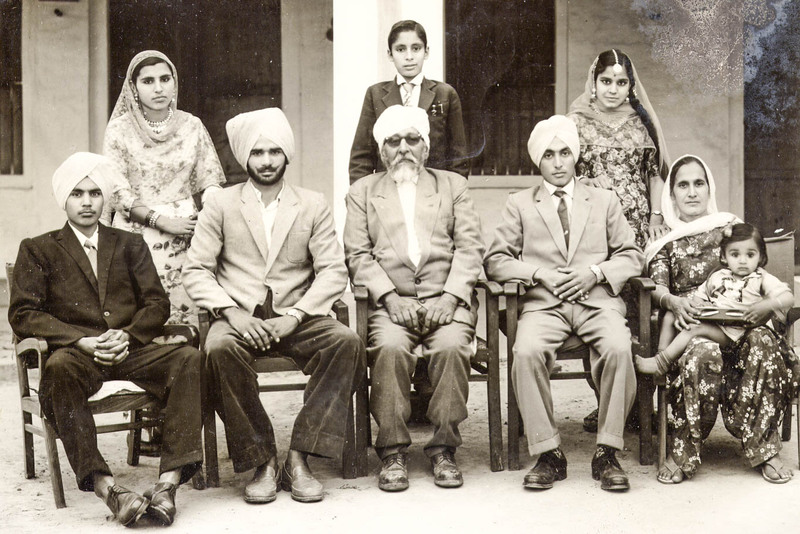
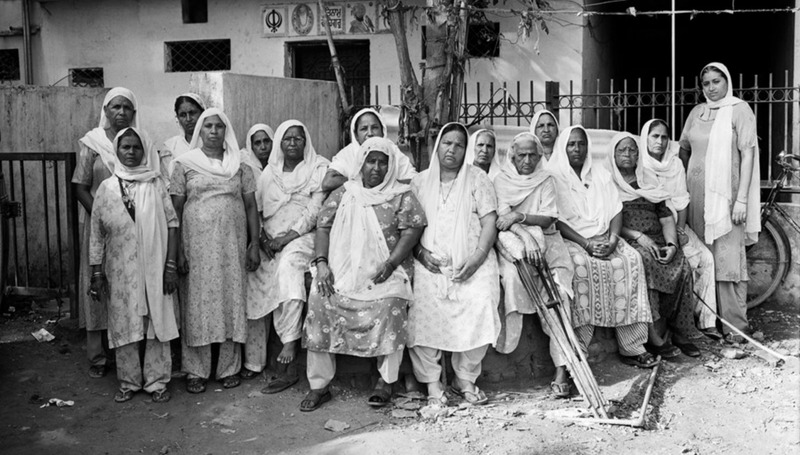
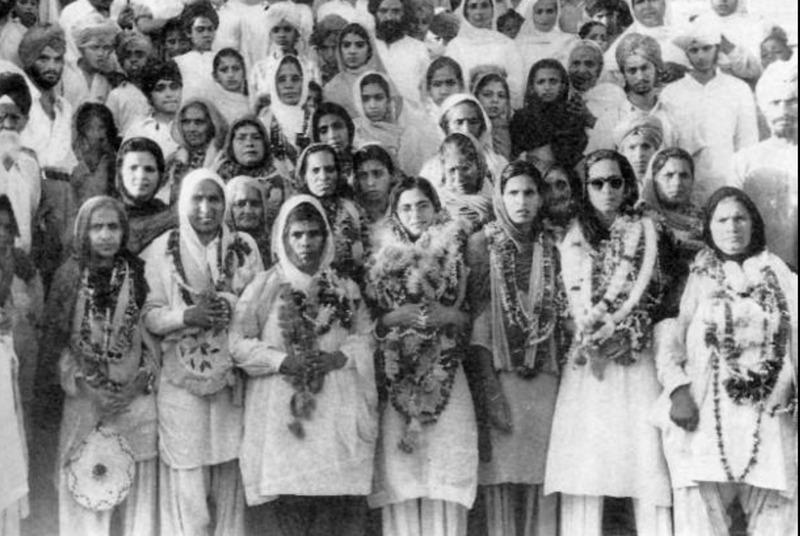
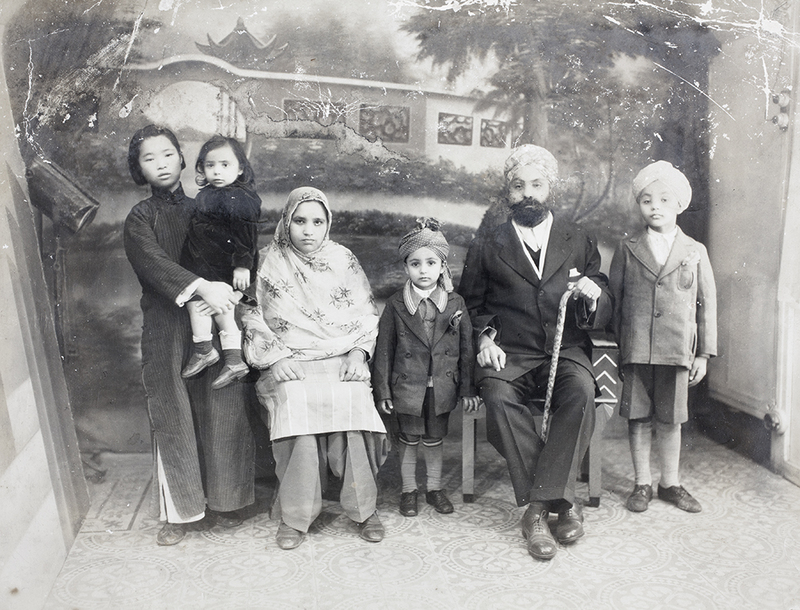
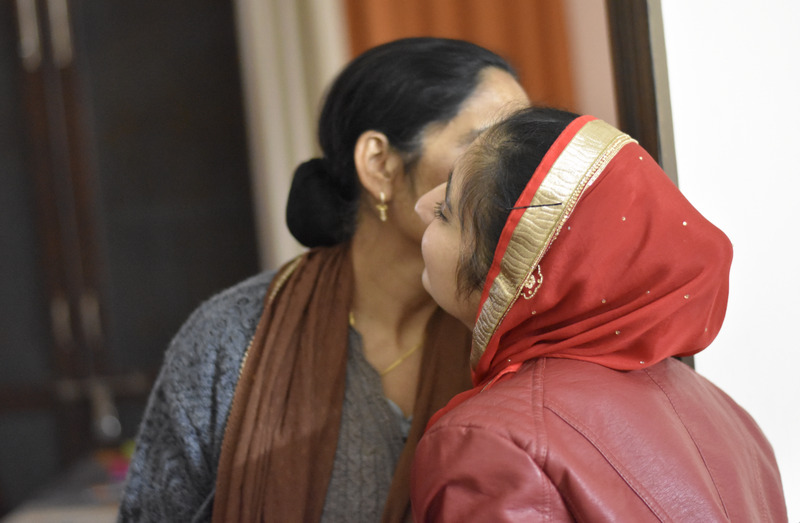
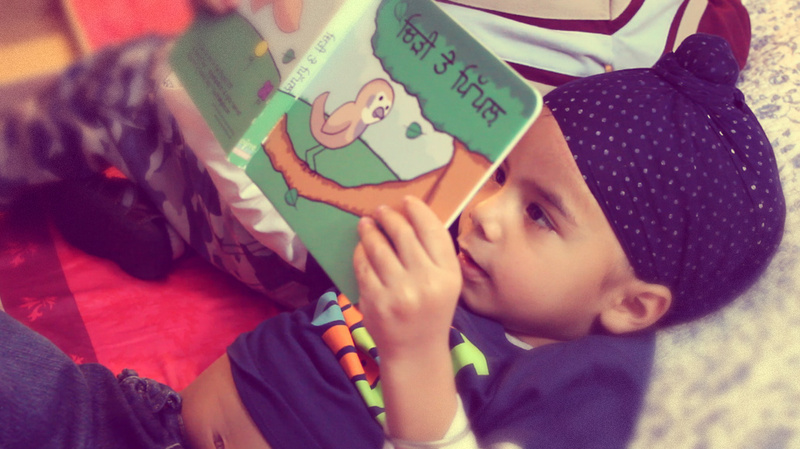
The results of the Kaur Life & the Dasvandh Network (DVN) photo contest where readers submitted “throw-back” and vintage photos of their mothers (or any Sikh woman), in honor of Mother's Day.
In part 7 of the shaving series, Lakhpreet Kaur offers her final words on shaving. She emphasizes that her intention is not to judge one's choice to shave or not shave, but to provide an alternate viewpoint for Kaurs in a society that promotes shaving and hairlessness.
In part 6 of the shaving series, Lakhpreet Kaur discusses Sandra Bartky's book, Femininity and Domination, to explain how shaving can perpetuate objectification.
In part 4 of the shaving series, Lakhpreet Kaur discusses how shaving can be antithetical to many of Sikhi's teachings. Kaur also explains some of the reasons that Sikhi discourages shaving, and how keeping one's Kesh can help them become detached from the material world.
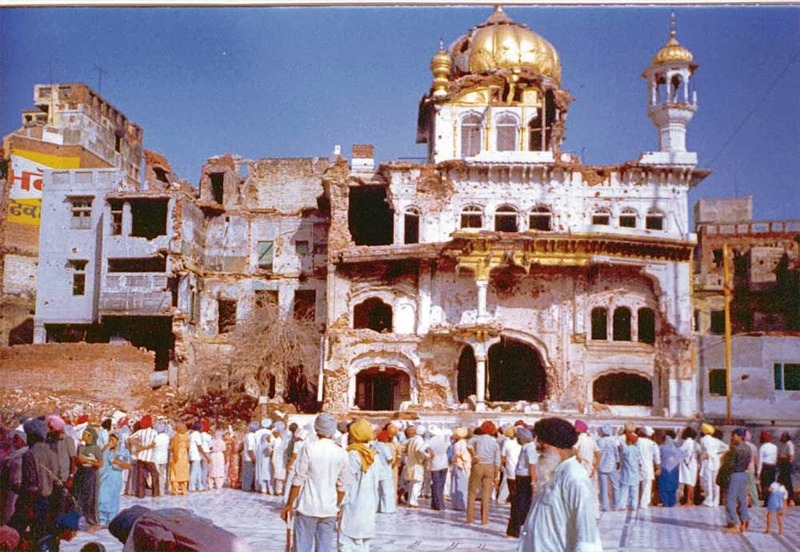
This series of three articles hopes to serve as a brief introduction to the events of 1984 and to provide a starting point for those interested in learning about the historical events. This is part 2.
In part 2 of the shaving series, Lakhpreet Kaur discusses some of the reasons why women may choose to shave. This article also includes quotes from Sikh girls that explain why they choose to shave.
This series of three articles hopes to serve as a brief introduction to the events of 1984 and to provide a starting point for those interested in learning about the historical events. This is part 3.
This series of three articles hopes to serve as a brief introduction to the events of 1984 and to provide a starting point for those interested in learning about the historical events. This is part 1.
Part 1 of the shaving series begins with a discussion of the history of how and why being hairless became a beauty trend for women. In the first article in a series of articles, Lakhpreet Kaur discusses the influence that media and advertisers had in the emergence of this beauty trend and reflects on her experience navigating the tension between her Sikh identity and western beauty trends.
Ravjot Kaur explores the issue of colorism in the Sikh and South Asian community, examining its roots in caste and colonial history and its harmful impact on self-worth and health. She encourages readers to embrace Gurbani’s teachings on inner beauty and self-acceptance.
Amritpal Kaur reflects on how her caring and supportive mother-in-law challenged negative stereotypes, and showed that relationships between mothers-in-law and daughters-in-law can be rooted in love, respect, equality, and shared Sikh values.
Sartaj Singh Dhami reflects on an experience where his wife was not allowed to enter a space at Fatehgarh Sahib. Dhami examines the paradox between Sikh principles and real life practices and calls for others to reflect on this as well.